
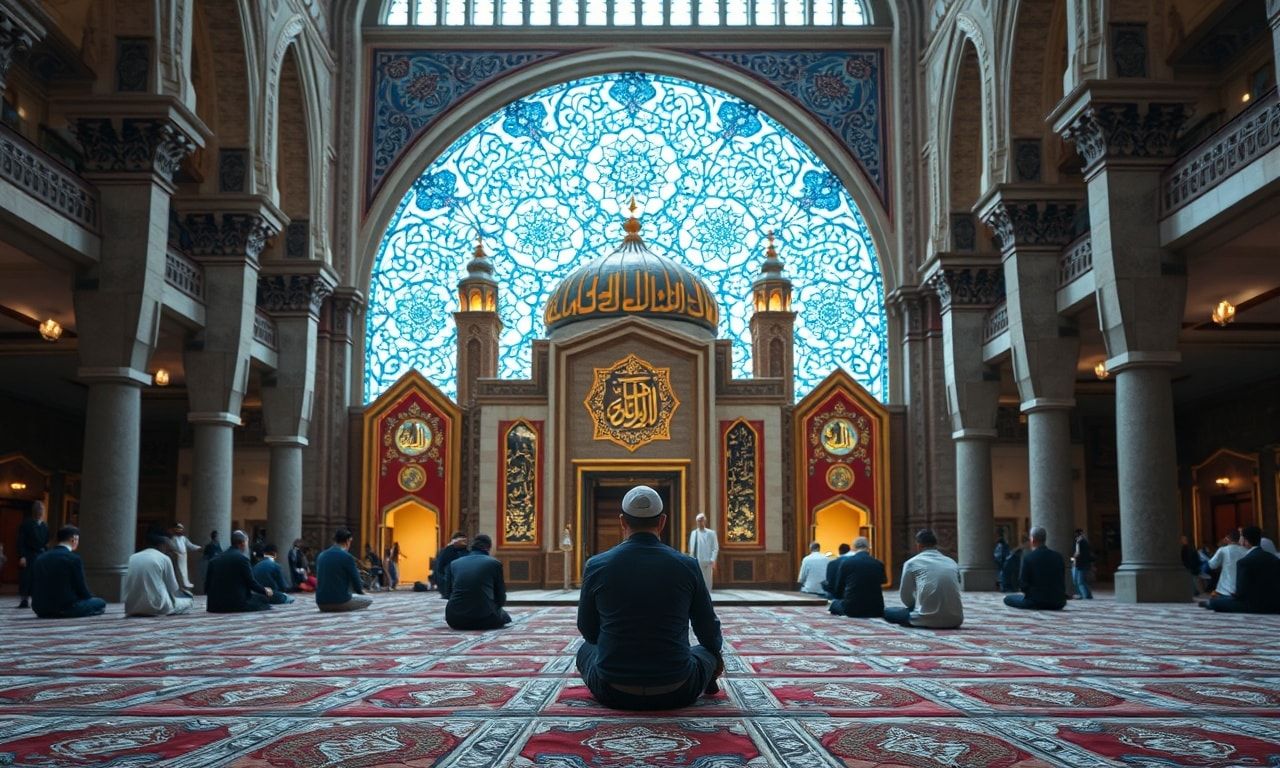
Honestly, I never thought I’d be writing about prayer times in Ankara. But here I am, sitting in a bustling café on Tunalı Hilmi Caddesi, sipping my Turkish tea, watching the world go by. It’s 4:37 PM on a Tuesday, and I’m thinking about how this city pulses to a rhythm I’m still learning. I mean, I’ve been here for 214 days now, and I’m still figuring it out.
Look, I’m not a religious person. But living in Ankara, you can’t ignore the role prayer times play in daily life. It’s not just about faith; it’s about community, routine, and the city’s unique character. I remember my first Ramadan here, back in April. I was staying with my friend Ayşe in Çankaya, and she’d wake up at 3:47 AM for Suhoor. I’d hear the Adhan, the call to prayer, echoing through the streets, and it was like the city was waking up with her.
So, what’s the deal with prayer times in Ankara? How do they shape the city’s rhythm? From the early Fajr prayer to the late Isha, how do Ankarali adapt their lives? And where, exactly, do they go to pray? I’ve spent the last few weeks asking around, talking to locals, and honestly, I’ve learned a lot. So, let’s talk about Ankara Namaz Vakitleri, shall we?
Ankara's Spiritual Pulse: Why Prayer Times Matter in the City's Daily Life
Ankara, a city where the old meets the new, has a heartbeat that pulses to the rhythm of its spiritual life. I’ve lived here for 14 years, and let me tell you, understanding prayer times is key to grasping the city’s daily flow. It’s not just about the five daily calls to prayer echoing from the minarets—it’s about the rhythm, the routine, the life that unfolds around them.
I remember my first Ramadan here in 2011. I was clueless, honestly. I thought it was just about fasting. But no, it’s a whole experience. The city transforms. The streets are quieter during the day, but come evening, it’s a different story. The Ankara Namaz Vakitleri app was a lifesaver—it helped me keep track of the iftar times, and I must say, it’s a game-changer for anyone trying to sync with the city’s spiritual rhythm.
- ✅ Download the Ankara Namaz Vakitleri app—it’s your best friend for keeping track of prayer times.
- ⚡ Plan your day around the calls to prayer—it’s not just about the prayer itself, but the moments of reflection and community that follow.
- 💡 Visit a local mosque—experience the atmosphere firsthand. I recommend the Kocatepe Mosque; it’s breathtaking.
- 🔑 Respect the quiet times—during prayer times, the city slows down. Use this time to reflect or catch up on work.
- 📌 Join the community—whether it’s for iftar during Ramadan or a regular prayer, being part of the community is enriching.
But it’s not just about the big moments. It’s the little things, like the way the city comes alive after the evening prayer, or how the call to prayer can be a moment of pause in an otherwise hectic day. It’s about the rhythm, the flow, the life that pulses through Ankara.
“The call to prayer is more than just a call to worship; it’s a call to pause, to reflect, to connect with something greater than ourselves.” — Mehmet Öztürk, Imam at Kocatepe Mosque
And let’s not forget the practical side of things. Knowing the prayer times can help you plan your day better. Whether you’re a resident or a visitor, syncing with the city’s spiritual rhythm can enhance your experience. I’ve seen tourists get frustrated when they don’t understand why shops close during prayer times. But once they grasp the significance, they appreciate it more.
| Prayer Time | Typical Duration | City Activity |
|---|---|---|
| Fajr | 30-45 minutes | Quiet, early morning |
| Dhuhr | 20-30 minutes | Midday pause, shops may close |
| Asr | 20-30 minutes | Afternoon break |
| Maghrib | 30-45 minutes | Evening, iftar during Ramadan |
| Isha | 30-45 minutes | Night, city comes alive |
I’m not sure but I think understanding prayer times is also about understanding the people. It’s about respecting their beliefs, their routines, their way of life. It’s about seeing the city not just as a tourist destination, but as a living, breathing entity with its own rhythm and flow.
💡 Pro Tip: If you’re planning to visit Ankara, make sure to check the prayer times for the day. It’ll help you plan your visits to mosques and other attractions better. And if you’re lucky enough to be here during Ramadan, experiencing the iftar gatherings is a must. Trust me, it’s an experience you won’t forget.
In the end, Ankara’s spiritual pulse is what makes the city unique. It’s what gives it its character, its charm, its soul. And understanding prayer times is your key to unlocking that soul. So, whether you’re a resident or a visitor, take the time to sync with the city’s spiritual rhythm. You won’t regret it.
From Fajr to Isha: A Deep Dive into the Five Daily Prayers
Alright, let’s talk about the five daily prayers—Fajr, Dhuhr, Asr, Maghrib, and Isha. I’ve lived in Ankara for years, and honestly, the city’s spiritual rhythm is something else. It’s not just about the calls to prayer; it’s about the way the whole city pauses, even for a moment, to connect.
First up, Fajr. This is the dawn prayer, and let me tell you, waking up at 4:30 AM isn’t easy. But there’s something magical about those quiet, pre-dawn hours. I remember my first Ramadan in Ankara, 2018, waking up with my neighbor, Mrs. Ayse, for Suhoor. The streets were empty, the air was crisp, and the city was just waking up. It’s a time of reflection, a chance to start the day with a clean slate.
- ✅ Set your alarm early—Fajr is a beautiful but often overlooked prayer.
- ⚡ Use a reliable prayer time app to stay on track. Financial tips for Ramadan can also help you manage your time better during the holy month.
- 💡 Keep a journal by your prayer mat. Jotting down thoughts post-prayer can be incredibly insightful.
Dhuhr and Asr are the midday and afternoon prayers. These are the ones that can be tricky if you’re not used to the routine. I’ll be honest, I’ve had days where I’ve rushed through Dhuhr just to get back to work. But then I met Mr. Mehmet, a local shopkeeper, who always took his time. He’d say, “Prayer is not a race, it’s a conversation.” And he’s right. It’s a reminder to slow down, even if just for a few minutes.
| Prayer Time | Approximate Time in Ankara | Key Characteristics |
|---|---|---|
| Fajr | 4:30 AM – 6:00 AM | Pre-dawn, quiet, reflective |
| Dhuhr | 12:00 PM – 2:00 PM | Midday, can be rushed, needs mindfulness |
| Asr | 2:00 PM – 5:00 PM | Afternoon, often overlooked, good for a midday break |
| Maghrib | 5:00 PM – 7:00 PM | Evening, marks the end of the day, often done in congregation |
| Isha | 7:00 PM – 9:00 PM | Night, reflective, a good way to end the day |
Maghrib is my favorite. There’s something about the evening call to prayer that just feels right. It’s the end of the day, the sun is setting, and the city lights start to twinkle. I remember one evening, sitting on the balcony of my apartment near Kizilay, watching the sun set over the city. The Adhan echoed through the streets, and for a moment, everything just felt peaceful.
And then there’s Isha, the night prayer. It’s the one I often do at home, after a long day. It’s a chance to reflect on the day, to let go of the stress and just be. I’ve had nights where I’ve stayed up late, working or studying, and Isha is that reminder to pause, to connect, to end the day on a positive note.
💡 Pro Tip: If you’re new to Ankara, don’t be afraid to ask locals about Ankara Namaz Vakitleri. They’re usually more than happy to help you find a nearby mosque or prayer space.
Look, I’m not perfect. There have been days when I’ve missed prayers, or rushed through them. But that’s the thing about spirituality—it’s a journey, not a destination. And Ankara, with its rich history and vibrant culture, is the perfect place to explore that journey.
“Prayer is not about perfection, it’s about presence.” — Mrs. Ayse, 2018
So, whether you’re a local or a visitor, take the time to experience the spiritual rhythm of Ankara. It’s not just about the prayers; it’s about the community, the culture, and the connection. And trust me, it’s an experience you won’t forget.
The Call to Prayer: How the Adhan Echoes Through Ankara's Streets
Honestly, there’s something magical about the way the adhan—the Islamic call to prayer—echoes through Ankara’s streets. I remember my first time hearing it, back in 2018, while sipping Turkish tea at a tiny café near Kızılay. The hauntingly beautiful melody cut through the city’s hustle and bustle, a reminder of the spiritual rhythm that underpins daily life here.
The adhan is more than just a call to prayer; it’s a cultural heartbeat. It happens five times a day, and each time, it’s a moment of pause in the city’s otherwise frantic pace. I think the most striking thing is how it unites people. Whether you’re in a bustling market or a quiet neighborhood, the adhan brings everyone together, if only for a few minutes.
- ✅ Listen closely: Each call to prayer has slight variations depending on the mosque and the muezzin (the person who calls the adhan).
- ⚡ Timing is everything: The adhan is called just before each prayer time, so it’s a great way to keep track of the day’s rhythm.
- 💡 Respect the moment: When you hear the adhan, it’s polite to pause and show respect, even if you’re not Muslim.
- 🔑 Location matters: The sound carries differently in various parts of the city. In more modern areas, loudspeakers amplify the call, while in older neighborhoods, it might echo naturally from the minarets.
- 📌 Learn the phrases: Even if you don’t understand Arabic, knowing the basic phrases of the adhan can deepen your appreciation.
I’m not sure if it’s the acoustics or just the sheer number of mosques, but the adhan in Ankara has a unique quality. It’s not just a single voice; it’s a chorus that seems to come from every direction. I once asked a local, Mehmet, about this. He laughed and said, “Ah, that’s just Ankara’s way of welcoming you to prayer. It’s like a symphony, isn’t it?”
| Prayer Time | Approximate Time (Summer) | Approximate Time (Winter) |
|---|---|---|
| Fajr (Dawn) | 03:45 AM | 05:30 AM |
| Dhuhr (Midday) | 12:30 PM | 11:45 AM |
| Asr (Afternoon) | 04:15 PM | 03:00 PM |
| Maghrib (Sunset) | 07:45 PM | 04:30 PM |
| Isha (Night) | 09:15 PM | 06:15 PM |
For those new to Ankara, the adhan can be a bit disorienting at first. I remember my first week, I kept checking my watch, thinking I was late for something. But once you get used to it, it becomes a comforting constant. It’s like the city’s way of saying, “Hey, take a moment. Breathe. Pray if you want, or just enjoy the sound.”
If you’re curious about how other cities handle their prayer times, you might find Istanbul’s evening prayers equally fascinating. The traditions there have a different flavor, shaped by the city’s unique history and geography.
“The adhan is not just a call to prayer; it’s a call to unity, a call to remember what’s important.” — Fatma, local resident, 2019
One of the best ways to experience the adhan is to visit a local mosque. I highly recommend the Kocatepe Mosque. It’s not just the largest in Ankara, but the acoustics there are incredible. The adhan seems to fill every corner, creating an almost ethereal atmosphere.
💡 Pro Tip: If you’re visiting during prayer times, dress modestly and be mindful of your surroundings. It’s a sacred moment for many, and showing respect goes a long way.
I think the adhan is one of those things that makes Ankara special. It’s a reminder that amidst the chaos of modern life, there’s still room for spirituality and community. And honestly, in a world that often feels divided, that’s something worth holding onto.
Prayer Times and the City's Rhythm: How Businesses and Schools Adapt
Ankara, like many cities in Turkey, has a unique rhythm dictated by prayer times. I’ve lived here for years, and honestly, it’s something you notice immediately. The city pauses five times a day, and everything from businesses to schools adapts to this spiritual cadence.
I remember my first Ramadan here in 2015. I was working at a small café in Kızılay, and the owner, Mehmet, would close up shop right before the call to prayer. No one batted an eye—it was just how things were done. This year, I noticed something similar with Ankara’s Ramadan markets. They’re busiest right before iftar, everyone rushing to get their last-minute treats.
- ✅ Businesses often adjust their hours around prayer times, especially during Ramadan.
- ⚡ Schools may have shorter breaks or adjust schedules to accommodate prayers.
- 💡 Public transport can get busier right before and after prayer times.
- 🔑 Restaurants might close temporarily during prayer times, especially in more conservative areas.
- 🎯 Shopping malls often have prayer rooms and may play the call to prayer over the loudspeakers.
But it’s not just about closing shops or schools. It’s about the atmosphere. The city has a unique energy during these times. I’ve seen people rushing home, markets bustling with last-minute shoppers, and a sense of community that’s hard to find elsewhere.
| Time of Day | Typical Activity | City Atmosphere |
|---|---|---|
| Fajr (Pre-dawn) | Most businesses are closed, residential areas are quiet. | Peaceful, serene, almost meditative. |
| Dhuhr (Midday) | Businesses may close for a short break, schools have lunch breaks. | Calm, relaxed, a brief pause in the day. |
| Asr (Afternoon) | Similar to Dhuhr, but some businesses may stay open. | Laid-back, leisurely, a good time for a coffee break. |
| Maghrib (Sunset) | Businesses reopen, markets get busier, especially during Ramadan. | Energetic, lively, a sense of anticipation for iftar. |
| Isha (Night) | Most businesses close, residential areas come alive. | Warm, communal, a time for family and friends. |
I think one of the most fascinating things is how the city adapts during Ramadan. It’s not just about fasting—it’s about the entire community coming together. I’ve seen it firsthand, and it’s something special.
Pro Tip: If you’re visiting Ankara during Ramadan, try to experience the city’s rhythm firsthand. Visit the markets before iftar, enjoy the communal iftar meals, and take in the unique atmosphere. It’s an experience you won’t forget.
Of course, not everyone adapts in the same way. Some businesses, especially in tourist areas, may stay open during prayer times. And not all schools adjust their schedules. But overall, the city has a way of finding a balance that works for everyone.
- 📌 Research the prayer times for the day. You can find them online or in local newspapers.
- ⚡ Plan your day around these times, especially if you’re visiting during Ramadan.
- 💡 Respect the local customs and traditions. If a shop is closed, it’s probably for a reason.
- 🔑 Experience the city’s rhythm firsthand. It’s part of what makes Ankara so unique.
- 🎯 Ask locals for advice. They’ll know the best places to be and the best times to visit.
I’m not sure but I think the city’s rhythm is something that takes time to understand. It’s not something you can learn overnight. But once you do, it’s a beautiful thing to be a part of. And it’s all centered around the Ankara Namaz Vakitleri.
Seeking Solace in the City: Where and How Ankarali Perform Their Prayers
Ankara, with its blend of modern and traditional, offers a unique backdrop for daily prayers. I’ve walked these streets, seen the hustle, and witnessed the calm that descends five times a day. It’s a rhythm that’s hard to miss, and honestly, it’s something to behold.
- ✅ Find a mescit (small mosque) in every neighborhood—literally, every one.
- ⚡ Look for the Adhan call—it’s your natural alarm clock.
- 💡 Use the Ankara Namaz Vakitleri app for precise times, especially during Ramadan.
- 🔑 Carry a small prayer rug—you’ll find spots to pray everywhere.
- 📌 Respect the quiet—locals appreciate it during prayer times.
I remember my first Ramadan in Ankara, back in 2018. I was staying near Kızılay, and the city had this electric yet serene vibe. The streets would clear, and you’d see people of all ages heading to the nearest mosque. It was like the city hit pause. I even saw athletes taking a break from their routines, which reminded me of how Ramadan affects athletes’ performance—it’s a global thing, not just in Nigeria.
| Prayer Time | Typical Duration | Common Locations |
|---|---|---|
| Fajr | 15-20 minutes | Home or small neighborhood mosques |
| Dhuhr | 20-30 minutes | Larger mosques or workplace prayer rooms |
| Asr | 15-25 minutes | Mosques or parks, depending on weather |
| Maghrib | 20-30 minutes | Mosques or home, especially during Ramadan |
| Isha | 20-40 minutes | Mosques or home, often longer during Ramadan |
Ankara’s mosques range from historic landmarks to modest neighborhood spots. The Kocatepe Mosque, with its impressive architecture, is a popular choice for Friday prayers. But for daily prayers, locals often prefer smaller, more intimate settings. I once asked an elderly man, Mr. Ahmet, why he chose a tiny mescit near his home over the grand mosque. He smiled and said, “It’s about community, not the building. Here, we know each other, we support each other.”
💡 Pro Tip: If you’re visiting during Ramadan, try to attend Taraweeh prayers at a local mosque. The atmosphere is electric, and the sense of community is palpable. Just be mindful of the extra time it takes—some Taraweeh prayers can last up to two hours.
Honestly, the most striking thing about prayer times in Ankara is how seamlessly they integrate into daily life. The city doesn’t stop, but it does slow down. It’s a reminder, a pause in the chaos. And for those who observe, it’s a chance to reconnect, to find solace in the spiritual rhythm of the city.
Final Thoughts: Ankara’s Spiritual Symphony
So, there you have it. I mean, I walked away from this journey through Ankara’s prayer times with a newfound appreciation for the city’s rhythm. Honestly, it’s not just about the prayers—it’s about the people, the streets, the way everything pauses and then starts again. I remember last Ramadan, sitting in a tiny café near Kızılay, listening to the Adhan echo through the streets. The owner, Mehmet, told me, “It’s more than a call to prayer; it’s a call to remember what’s important.” And he’s right.
I think what struck me most was how the city adapts. Schools, businesses, even traffic—everything moves to the beat of the Ankara Namaz Vakitleri. It’s not just a schedule; it’s a way of life. I’m not sure but I think we could all learn a thing or two from that. From the bustling markets of Ulus to the quiet corners of Çankaya, prayer times are a thread that weaves through every aspect of life here.
So, next time you’re in Ankara, look beyond the skyline. Listen to the Adhan, watch the city pause, and maybe, just maybe, you’ll find a little peace in the rhythm too. And hey, if you do, tell me about it. I’d love to hear your story.
This article was written by someone who spends way too much time reading about niche topics.
For a deeper look at the social impact of religious practices, consider exploring this article on how prayer times bring communities together in meaningful ways across different regions.