
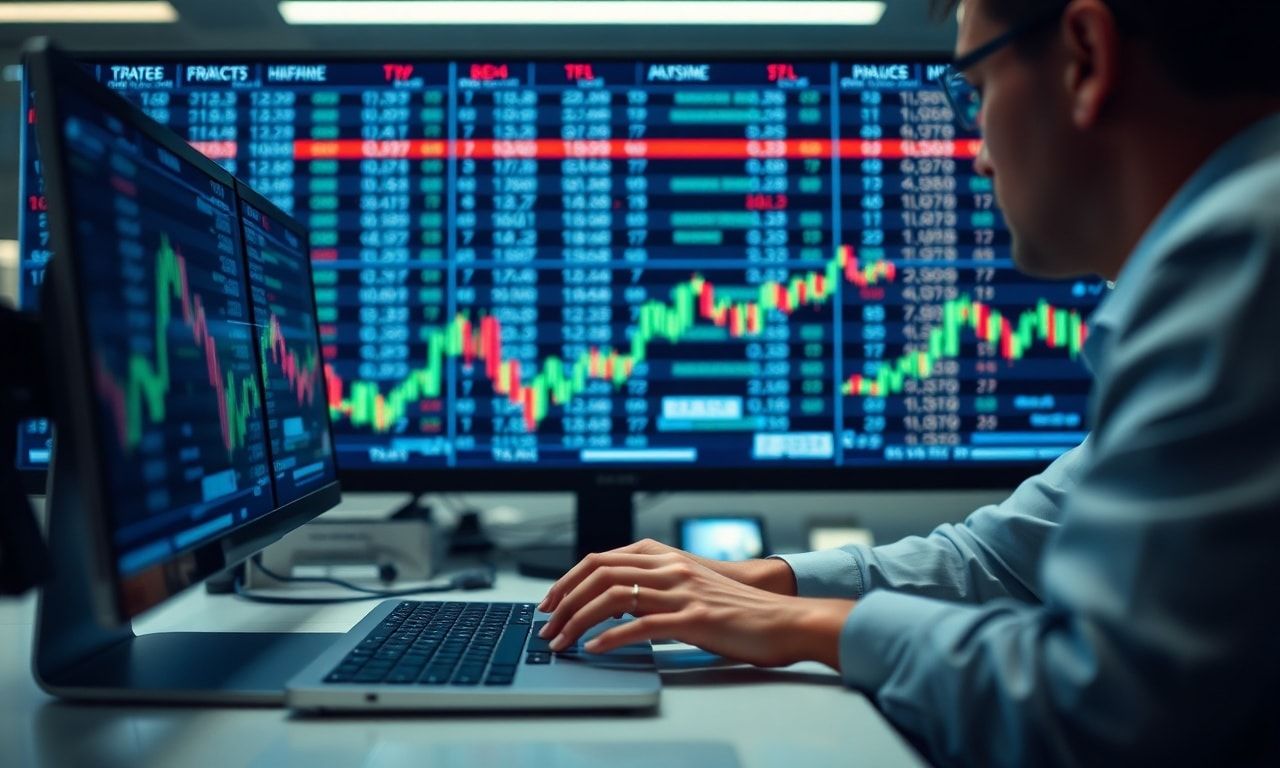
The Rise of Algorithmic Trading
In the ever-evolving landscape of financial markets, algorithmic trading has emerged as a game-changer. This sophisticated method of executing orders using automated, pre-programmed trading instructions is revolutionizing the way traders and investors operate. Algorithmic trading, often referred to as algo-trading, leverages complex mathematical models and algorithms to analyze market data, identify trading opportunities, and execute trades at high speeds and volumes.
The adoption of algorithmic trading has been particularly pronounced in the foreign exchange (forex) market, which is known for its high liquidity and 24-hour trading cycle. The forex market’s unique characteristics make it an ideal environment for algo-trading, as it requires rapid decision-making and the ability to process vast amounts of data in real-time.
As the demand for algorithmic trading continues to grow, so does the need for comprehensive resources and educational materials. Websites like how to use algorithmic trading in forex provide valuable insights and guidance for traders looking to harness the power of algorithmic trading in the forex market.
The Benefits of Algorithmic Trading in Forex
Algorithmic trading offers several advantages that make it an attractive option for forex traders. One of the primary benefits is the ability to execute trades with precision and speed. Algorithms can analyze market data and execute trades in milliseconds, far faster than any human trader. This speed is crucial in the forex market, where price movements can occur rapidly and opportunities can vanish just as quickly.
Another significant advantage of algorithmic trading is its ability to eliminate emotional bias. Human traders are often influenced by emotions such as fear and greed, which can lead to impulsive decisions and poor trading outcomes. Algorithms, on the other hand, operate based on predefined rules and parameters, ensuring that trades are executed objectively and consistently.
Additionally, algorithmic trading allows for backtesting, a process that involves testing trading strategies on historical data to evaluate their performance. This enables traders to refine their strategies and optimize their algorithms before deploying them in live markets, reducing the risk of losses.
Challenges and Risks
Despite its numerous benefits, algorithmic trading also presents certain challenges and risks. One of the main challenges is the complexity of developing and maintaining effective algorithms. Creating a successful algorithm requires a deep understanding of market dynamics, statistical analysis, and programming skills. Moreover, algorithms must be continuously updated and refined to adapt to changing market conditions.
Another risk associated with algorithmic trading is the potential for technical failures. Since algorithms rely on technology, any glitches or malfunctions can lead to erroneous trades and significant financial losses. This highlights the importance of robust risk management strategies and the need for reliable technology infrastructure.
Furthermore, the rapid execution of trades by algorithms can sometimes lead to market volatility and flash crashes. The interconnected nature of financial markets means that a sudden surge in algorithmic trading activity can amplify price movements and create instability. Regulatory bodies are increasingly scrutinizing algorithmic trading to mitigate these risks and ensure market stability.
The Future of Algorithmic Trading
The future of algorithmic trading looks promising, with advancements in technology and artificial intelligence (AI) driving further innovation. AI-powered algorithms are capable of learning from market data and adapting their strategies in real-time, enhancing their effectiveness and profitability. Machine learning algorithms, in particular, have the potential to revolutionize algorithmic trading by enabling algorithms to identify complex patterns and make predictions with greater accuracy.
As the adoption of algorithmic trading continues to grow, so does the need for regulatory oversight. Regulatory bodies are working to establish frameworks and guidelines to ensure the integrity and stability of financial markets. Traders and investors must stay informed about regulatory developments and comply with relevant regulations to avoid legal and financial repercussions.
In conclusion, algorithmic trading is transforming the forex market, offering numerous benefits such as speed, precision, and objectivity. However, it also presents challenges and risks that must be carefully managed. As technology continues to evolve, the future of algorithmic trading looks bright, with AI and machine learning playing a pivotal role in shaping its development. For traders looking to harness the power of algorithmic trading, resources like how to use algorithmic trading in forex provide valuable insights and guidance.