
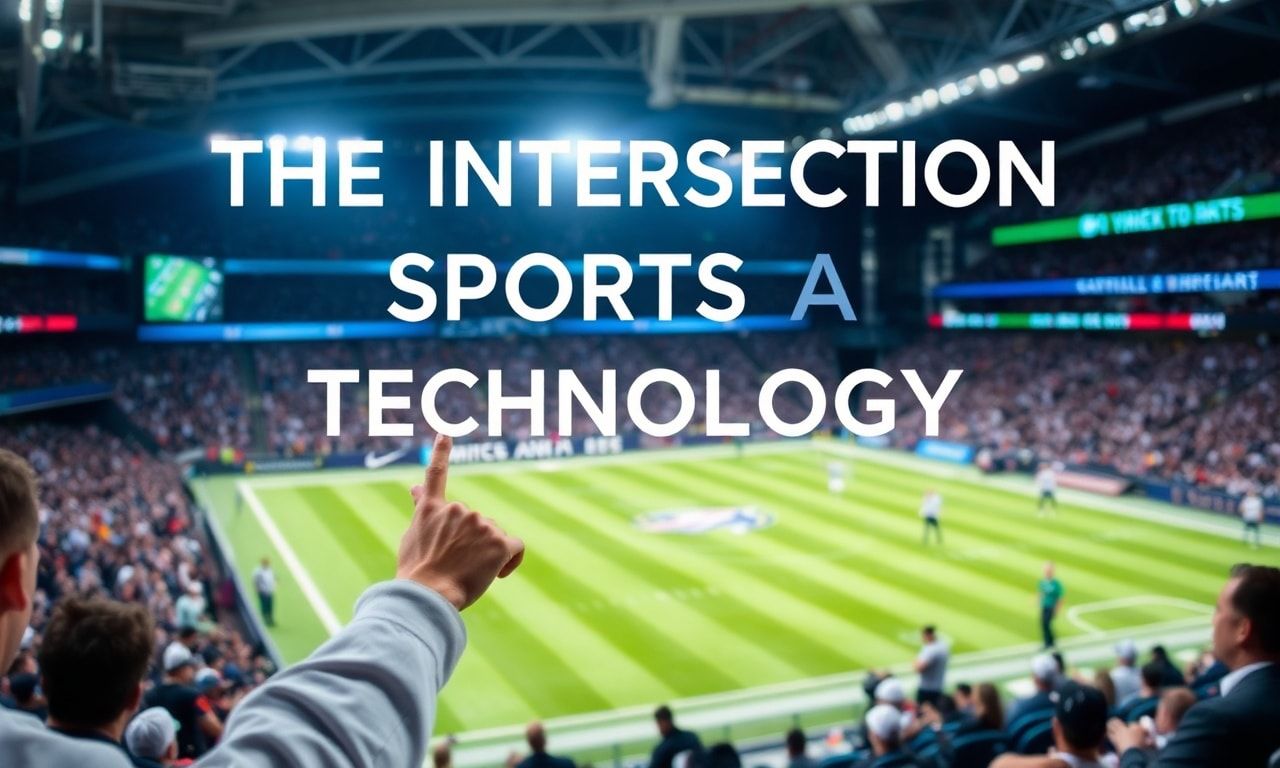
The Evolution of Sports in the Digital Age
The landscape of sports is undergoing a significant transformation, driven by rapid advancements in technology. From the way games are played to how fans engage with their favorite teams, technology is reshaping every aspect of the sports industry. This shift is not only enhancing the viewing experience but also opening up new avenues for revenue and fan interaction.
Enhanced Viewing Experiences
One of the most noticeable changes is the enhancement of viewing experiences. High-definition broadcasts, virtual reality (VR), and augmented reality (AR) are providing fans with immersive experiences that were once unimaginable. VR headsets allow viewers to feel as if they are sitting in the front row, while AR overlays provide real-time statistics and player information, making the viewing experience more interactive and engaging.
Additionally, the rise of streaming services has made it easier for fans to access live sports events from anywhere in the world. Platforms like ESPN+, DAZN, and Amazon Prime Video are competing with traditional broadcasters, offering flexible viewing options that cater to the modern consumer’s needs. This shift has also led to a surge in sports betting, with fans looking for sports betting tips analysis to enhance their viewing experience and potentially win big.
The Role of Data Analytics
Data analytics has become a cornerstone of modern sports. Teams are leveraging data to make informed decisions about player performance, tactics, and even recruitment. Wearable technology, such as GPS trackers and heart rate monitors, provides real-time data on player performance, helping coaches to optimize training regimens and reduce the risk of injuries.
On the fan side, data analytics is being used to personalize the viewing experience. Algorithms analyze viewer preferences and behavior to recommend content, create personalized highlights, and even predict the outcome of games. This level of personalization is not only improving fan engagement but also driving higher viewership and revenue for broadcasters.
Fan Engagement and Social Media
Social media has revolutionized the way fans interact with their favorite teams and athletes. Platforms like Twitter, Instagram, and Facebook provide a direct line of communication between fans and their idols, fostering a sense of community and engagement. Live-tweeting during games, behind-the-scenes content, and interactive polls are just a few ways teams and athletes are using social media to connect with their fans.
Moreover, social media has become a powerful tool for sports marketing. Brands are leveraging the influence of athletes to promote their products, reaching a global audience with minimal effort. This symbiotic relationship between sports and social media is expected to continue growing, further blurring the lines between traditional and digital marketing.
The Future of Sports Technology
The future of sports technology is bright, with several emerging technologies poised to revolutionize the industry. Artificial intelligence (AI) and machine learning are expected to play a significant role in predicting player performance, optimizing game strategies, and even detecting potential injuries before they occur.
Furthermore, the integration of 5G technology promises to enhance the viewing experience by providing faster, more reliable streaming and enabling real-time interactions between fans and broadcasters. The potential for new applications, such as interactive betting and virtual fan zones, is immense, and the sports industry is eagerly embracing these innovations.
In conclusion, the intersection of sports and technology is creating a new era of fan engagement and industry growth. As technology continues to evolve, the sports landscape will undoubtedly undergo further transformations, offering fans and stakeholders alike unprecedented opportunities and experiences.