
The Importance of Urban Green Spaces
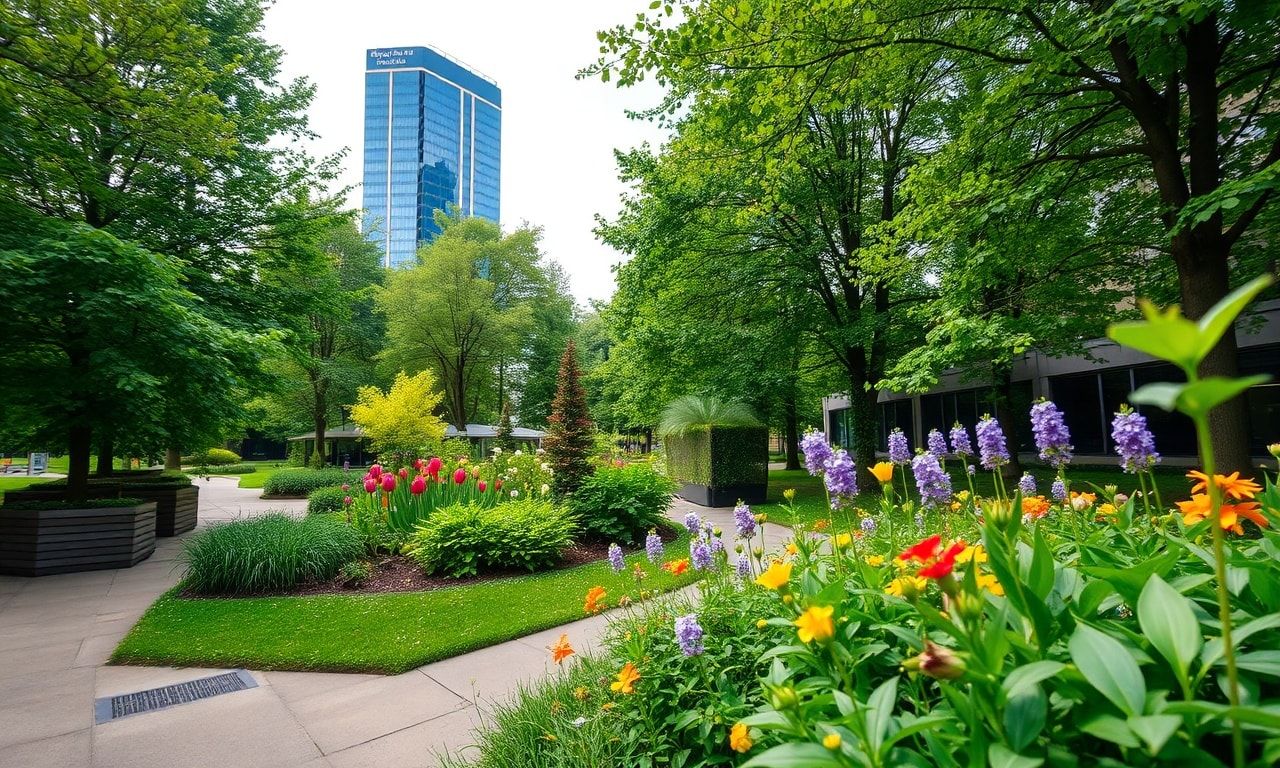
In the heart of Sheffield, a city known for its industrial past, a green revolution is taking place. Urban green spaces are becoming increasingly vital in our concrete jungles, offering a sanctuary for both wildlife and city dwellers alike. These spaces are not just about aesthetics; they play a crucial role in improving mental health, promoting physical activity, and even combating climate change.
The Transformation of Sheffield’s Parks
Sheffield’s parks have undergone a significant transformation in recent years. From the sprawling expanse of the Northern General Hospital’s green belt to the intimate settings of the Botanical Gardens, these spaces are being reimagined to cater to the diverse needs of the community. The city’s commitment to preserving and enhancing its green spaces is evident in the numerous initiatives aimed at making these areas more accessible and enjoyable for all.
One such initiative is the creation of the latest news on UK sports facilities, which has seen a surge in the development of sports facilities within these green spaces. This not only encourages physical activity but also fosters a sense of community and well-being among residents.
The Role of Community Involvement
Community involvement is at the heart of Sheffield’s green space initiatives. Local residents are actively encouraged to participate in the planning, maintenance, and enjoyment of these spaces. This collaborative approach ensures that the parks and green belts truly reflect the needs and desires of the community they serve.
Volunteer groups, such as the Friends of Graves Park and the Botanical Gardens Volunteers, play a pivotal role in the upkeep and enhancement of these spaces. Their dedication and hard work are instrumental in creating and maintaining vibrant, welcoming environments that everyone can enjoy.
The Benefits of Green Spaces
The benefits of urban green spaces are manifold. They provide a haven for relaxation and recreation, offering a respite from the hustle and bustle of city life. These spaces also serve as important habitats for local wildlife, promoting biodiversity and supporting the natural ecosystem.
Moreover, green spaces play a crucial role in mitigating the urban heat island effect, which is particularly important in the face of climate change. By absorbing carbon dioxide and releasing oxygen, trees and plants help to improve air quality and reduce the overall carbon footprint of the city.
Future Plans and Initiatives
Looking ahead, Sheffield has ambitious plans to further enhance its urban green spaces. The city council is committed to increasing the amount of green space per capita, ensuring that every resident has easy access to these vital areas. This includes the development of new parks, the expansion of existing ones, and the creation of green corridors that connect different parts of the city.
In addition, there are plans to introduce more sustainable practices in the maintenance and management of these spaces. This includes the use of renewable energy sources, water conservation techniques, and the promotion of native plant species that require less water and are more resilient to local climate conditions.
Conclusion
Sheffield’s urban green spaces are a testament to the city’s commitment to creating a healthier, more sustainable, and more enjoyable environment for its residents. Through community involvement, innovative initiatives, and a focus on sustainability, these spaces are not just places of beauty but also vital components of the city’s infrastructure. As Sheffield continues to evolve, its green spaces will play an increasingly important role in shaping the city’s future.