
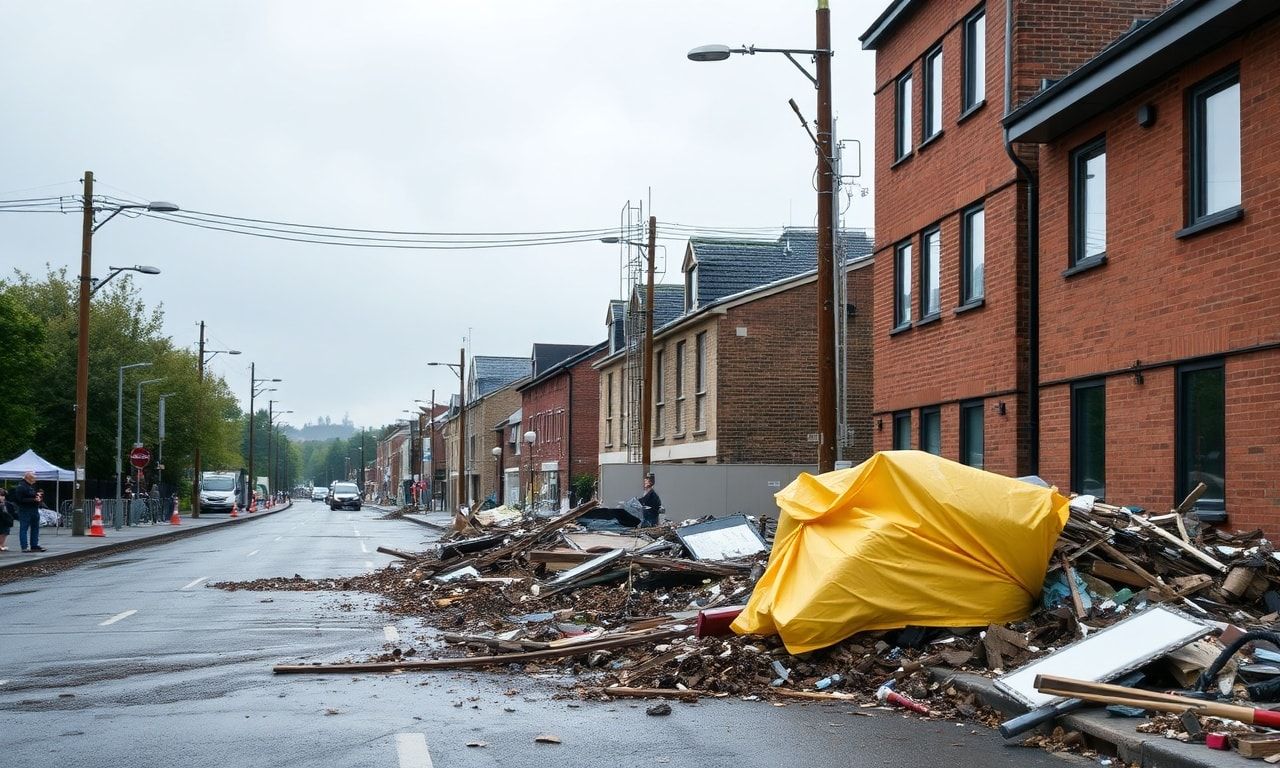
The Unpredictable Nature of Natural Disasters
Natural disasters are, by their very nature, unpredictable. They can strike at any time, often with little to no warning. This unpredictability makes it crucial for communities, especially those in high-risk areas, to be prepared. Sheffield, a city known for its rich history and vibrant culture, is no exception to this rule. Located in South Yorkshire, Sheffield has faced its share of natural disasters, from severe flooding to extreme weather events. Understanding the city’s resilience in the face of these challenges is essential for both residents and visitors.
Historical Context: Sheffield’s Encounters with Natural Disasters
Sheffield’s history is marked by several significant natural disasters. One of the most notable events was the Great Flood of 1864, which devastated the city and claimed numerous lives. More recently, the city has experienced severe flooding events, particularly in 2007 and 2019. These events have highlighted the need for robust disaster preparedness and response mechanisms. The city’s ability to recover and adapt has been a testament to its resilience.
Flooding: A Recurring Challenge
Flooding has been a recurring challenge for Sheffield. The city’s geography, with its numerous rivers and streams, makes it particularly vulnerable to flash floods. The 2007 floods, for instance, caused widespread damage and disruption. The city has since invested heavily in flood defense mechanisms, including the construction of new flood barriers and the improvement of drainage systems. These efforts have been crucial in mitigating the impact of future flooding events.
Extreme Weather Events
Extreme weather events, such as storms and heatwaves, have also posed significant challenges for Sheffield. The city has experienced several severe storms in recent years, which have caused power outages and damage to infrastructure. Heatwaves, while less common, have also been a concern, particularly for vulnerable populations. The city’s response to these events has been multifaceted, involving emergency services, local authorities, and community organizations.
Emergency Preparedness: Sheffield’s Response to Natural Disasters
Sheffield’s response to natural disasters is a testament to its resilience. The city has developed a comprehensive emergency preparedness plan, which includes measures for evacuation, shelter, and medical assistance. The plan is regularly updated and reviewed to ensure its effectiveness. In addition, the city has established a network of emergency shelters and evacuation routes to facilitate quick and safe evacuations during disasters. For real-time updates and critical information, residents often turn to reliable sources such as emergency news and alerts services, which provide timely and accurate information during crises.
Community Involvement and Resilience
Community involvement has been a key factor in Sheffield’s resilience. Local residents and organizations have played a crucial role in disaster preparedness and response efforts. Community groups have organized training sessions and drills to educate residents on what to do in case of a disaster. These efforts have not only improved the city’s overall preparedness but have also fostered a sense of community and solidarity.
Technological Advancements
Technological advancements have also played a significant role in Sheffield’s disaster preparedness. The city has invested in advanced warning systems and monitoring technologies to detect and respond to natural disasters more effectively. These technologies have been instrumental in providing early warnings and facilitating quick response times. Additionally, the use of social media and mobile apps has enhanced communication and coordination during emergencies.
Looking Ahead: Sheffield’s Future in the Face of Natural Disasters
As climate change continues to pose new challenges, Sheffield must remain vigilant and adaptable. The city’s future resilience will depend on its ability to anticipate and respond to emerging threats. Ongoing investments in infrastructure, technology, and community engagement will be crucial in this regard. By learning from past experiences and embracing innovation, Sheffield can continue to build a resilient and sustainable future.
Climate Change and Its Impact
Climate change is expected to exacerbate the frequency and severity of natural disasters. Sheffield is no exception to this trend. Rising temperatures, changing precipitation patterns, and more intense storms are likely to pose significant challenges for the city. Addressing these challenges will require a comprehensive and coordinated approach, involving local authorities, community organizations, and residents.
Innovative Solutions and Sustainability
Innovative solutions and sustainability practices will be key to Sheffield’s future resilience. The city has already made significant strides in this area, with initiatives such as the Sheffield Green City Partnership and the Sheffield Tree Partnership. These initiatives aim to promote sustainable practices and enhance the city’s green infrastructure. By embracing these practices, Sheffield can not only mitigate the impact of natural disasters but also contribute to a healthier and more sustainable environment.
To gain a deeper understanding of how national politics impact local communities, consider exploring Bristol’s political shifts perspective.
As societal shifts continue to reshape our daily lives, understanding how faith intersects with modern work environments is more relevant than ever; explore this nuanced topic in faith’s role in workplaces.
To stay updated on the latest shifts in the entertainment industry, consider exploring current entertainment trends reshaping the landscape.