
Introduction
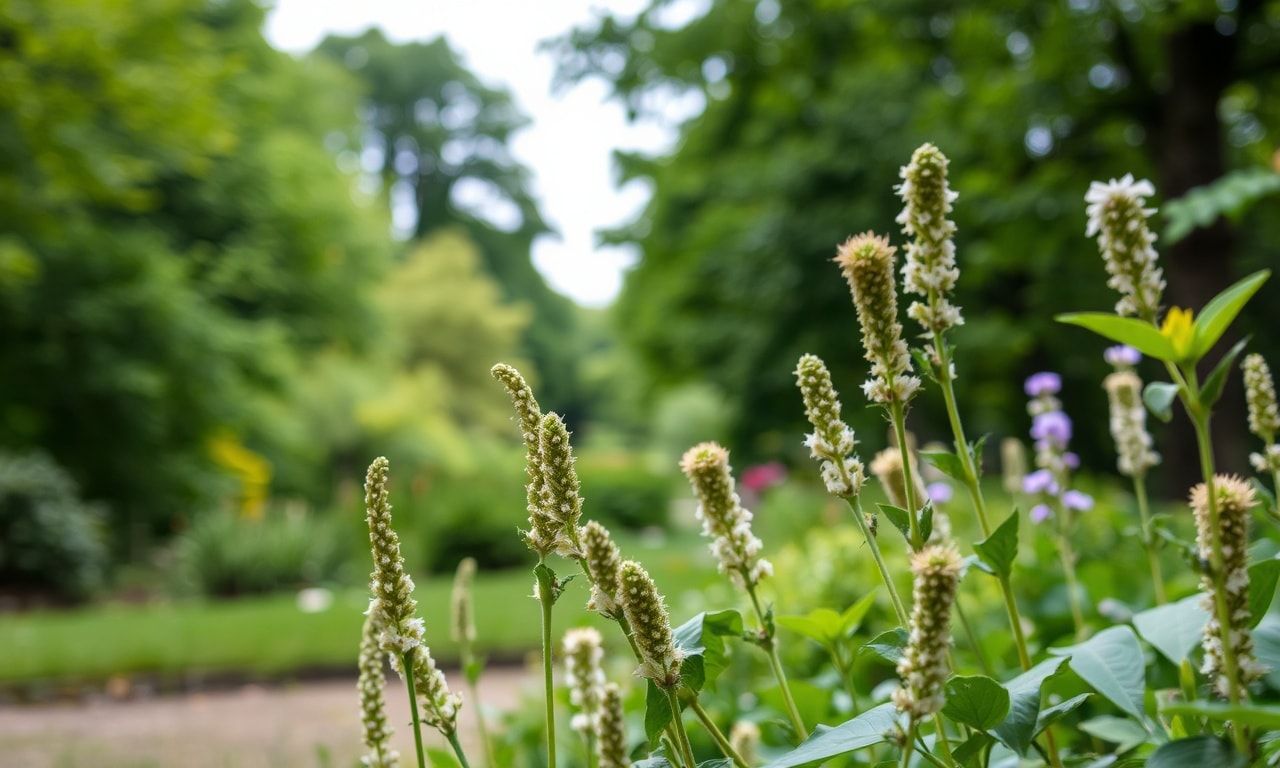
Sheffield, often referred to as the ‘Outdoor City,’ is renowned for its abundance of green spaces. These areas are not just scenic backdrops but vital ecosystems that support biodiversity and provide recreational opportunities for residents. In recent years, there has been a growing emphasis on the importance of urban green spaces in promoting mental and physical well-being. This article explores the significance of Sheffield’s green spaces, their role in wildlife conservation, and their impact on community engagement.
The Ecological Importance of Sheffield’s Green Spaces
Sheffield’s green spaces are home to a diverse range of flora and fauna. The city’s parks, woodlands, and nature reserves serve as critical habitats for various species, including birds, mammals, and insects. The Rivelin Valley, for instance, is a Site of Special Scientific Interest (SSSI) and supports a rich variety of plant life and wildlife. These green spaces play a crucial role in maintaining ecological balance and providing corridors for wildlife movement.
Moreover, urban green spaces contribute to the overall health of the environment by absorbing carbon dioxide, reducing air pollution, and mitigating the urban heat island effect. They also help in managing stormwater runoff, thereby reducing the risk of flooding. The ecological benefits of these spaces underscore the need for their preservation and sustainable management.
Wildlife Conservation Efforts
Sheffield has been proactive in its efforts to conserve and enhance its green spaces. The city council, in collaboration with local conservation groups, has implemented various initiatives to protect and restore habitats. For example, the Sheffield and Rotherham Wildlife Trust has been instrumental in managing several nature reserves within the city, ensuring that they remain viable habitats for wildlife.
Community involvement has also been a key factor in these conservation efforts. Volunteers participate in activities such as tree planting, habitat restoration, and wildlife monitoring. These efforts not only help in preserving biodiversity but also foster a sense of stewardship among residents, encouraging them to take an active role in environmental conservation.
The Role of Green Spaces in Community Engagement
Green spaces in Sheffield serve as hubs for community engagement and social interaction. Parks like the Botanical Gardens and the Western Park Museum and Gallery are popular destinations for families, friends, and community groups. These spaces host a variety of events, from outdoor concerts and festivals to sports activities and educational programs, providing opportunities for people to come together and enjoy shared experiences.
For instance, the annual ‘Sheffield Live’ event, held in the Botanical Gardens, brings together local musicians, artists, and food vendors, creating a vibrant atmosphere that celebrates the city’s cultural diversity. Such events not only promote community cohesion but also contribute to the local economy by attracting visitors and supporting local businesses.
Health and Well-being Benefits
The health benefits of green spaces are well-documented. Access to parks and natural areas has been linked to improved mental health, reduced stress levels, and increased physical activity. In Sheffield, green spaces provide residents with opportunities for walking, cycling, jogging, and other outdoor activities, contributing to a more active and healthier lifestyle.
Studies have shown that spending time in nature can have a calming effect on the mind, reducing symptoms of anxiety and depression. For example, the ‘Green Prescription’ program in New Zealand, which encourages doctors to prescribe time in nature for patients with mental health issues, has demonstrated significant positive outcomes. Similarly, Sheffield’s green spaces offer a natural therapy for residents, enhancing their overall well-being.
Challenges and Future Prospects
Despite the numerous benefits of green spaces, they face several challenges, including urban development pressures, funding constraints, and environmental degradation. As Sheffield continues to grow, there is a risk that green spaces could be encroached upon for housing and infrastructure projects. It is crucial for the city to balance development needs with the preservation of its natural assets.
To address these challenges, Sheffield must prioritize the protection and enhancement of its green spaces. This can be achieved through strategic planning, community involvement, and innovative funding mechanisms. For example, the city could explore partnerships with private sector organizations and environmental NGOs to secure additional resources for green space management and conservation.
Looking ahead, the future of Sheffield’s green spaces depends on collective efforts and a shared commitment to sustainability. By valuing and investing in these natural treasures, the city can ensure that they continue to thrive, benefiting both wildlife and residents for generations to come.
For more insights into the latest developments and current affairs analysis update, visit current affairs analysis update.
To understand the recent trends in crime rates, consider reviewing government policies’ influence on crime, an in-depth analysis of recent developments.
To gain a deeper understanding of the recent economic shifts, consider exploring Birmingham’s evolving job landscape, a detailed analysis of the city’s economic resurgence.