
The Importance of Urban Green Spaces
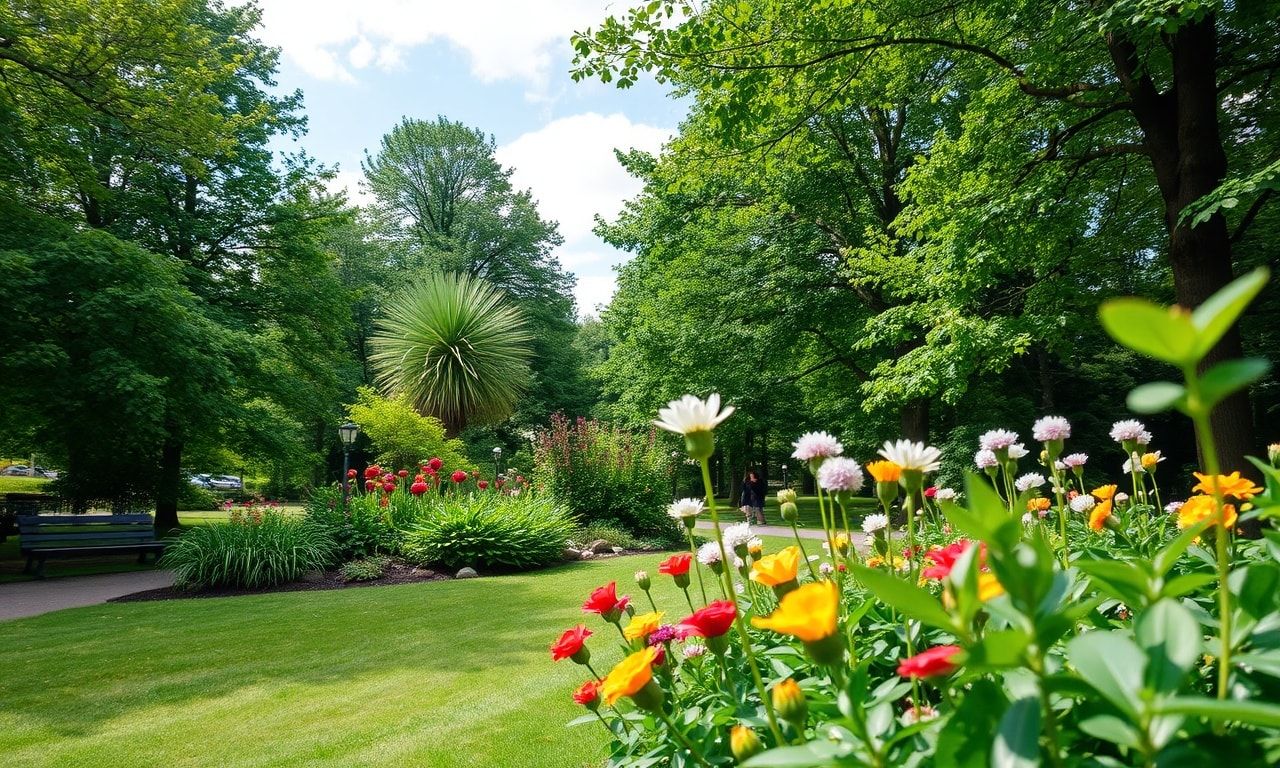
In the heart of South Yorkshire, Sheffield stands out as a city that has long recognized the value of its green spaces. With over 250 parks, woodlands, and gardens, Sheffield offers a unique blend of urban living and natural beauty. These green spaces are not just recreational areas; they are vital for the city’s environmental health and the well-being of its residents.
Urban green spaces play a crucial role in mitigating the effects of climate change. They act as carbon sinks, absorbing carbon dioxide and other harmful gases, and producing oxygen. Additionally, they help to cool the city, reducing the urban heat island effect. This is particularly important as cities around the world grapple with rising temperatures.
Moreover, green spaces contribute to biodiversity. They provide habitats for a wide range of plants and animals, some of which are threatened or endangered. By preserving and enhancing these spaces, Sheffield is playing its part in protecting the region’s natural heritage.
Health and Well-being Benefits
The benefits of green spaces extend beyond the environment. Numerous studies have shown that access to green spaces can improve physical health. They encourage people to be more active, with activities like walking, cycling, and playing sports. This can help to combat obesity and other health issues associated with sedentary lifestyles.
Green spaces also have significant mental health benefits. They provide a place for people to relax and escape the stresses of daily life. Spending time in nature has been shown to reduce stress, anxiety, and depression. It can also improve mood and increase feelings of happiness and well-being.
In Sheffield, the importance of green spaces for health and well-being is recognized by the local council. They have developed a strategy to ensure that everyone in the city has access to quality green spaces. This includes investing in existing parks and creating new ones, particularly in areas where access is limited.
Economic and Social Value
Green spaces also have economic and social value. They can increase property values and attract businesses and tourists. For example, the Peak District, which is on Sheffield’s doorstep, attracts millions of visitors each year, bringing significant economic benefits to the region.
Green spaces also foster social cohesion. They provide a neutral space where people from different backgrounds can come together. This can help to break down barriers and promote understanding and tolerance. In Sheffield, many community events and activities take place in parks and other green spaces, bringing people together and strengthening the city’s social fabric.
Furthermore, green spaces can provide educational opportunities. They offer a living classroom where people can learn about nature, the environment, and the importance of conservation. In Sheffield, many schools and community groups use the city’s green spaces for educational purposes.
Challenges and Opportunities
Despite the many benefits of green spaces, there are also challenges. Urbanization, climate change, and budget constraints can all threaten the quality and quantity of green spaces. In Sheffield, the local council is working to address these challenges through various initiatives and partnerships.
One such initiative is the Sheffield Tree Partnership. This is a collaborative project involving the council, local businesses, community groups, and individuals. Its aim is to plant 50,000 trees in the city by 2021, increasing canopy cover and enhancing the city’s green infrastructure.
Another initiative is the Green Infrastructure Strategy. This is a long-term plan to ensure that Sheffield’s green spaces are sustainable, resilient, and accessible to all. It includes actions to protect and enhance biodiversity, improve water management, and increase the use of sustainable materials in the construction and maintenance of green spaces.
Looking to the future, there are many opportunities to further enhance Sheffield’s green spaces. This includes exploring innovative design and management practices, engaging more people in the care and use of green spaces, and leveraging technology to monitor and improve their quality. By doing so, Sheffield can continue to be a leader in the provision and stewardship of urban green spaces.
Global Perspectives and Trends
Sheffield’s approach to green spaces is part of a global trend. Cities around the world are recognizing the importance of green spaces and taking steps to preserve and enhance them. For example, Singapore has developed a comprehensive Green Plan that aims to transform the city-state into a city within a garden.
In Europe, the concept of the ‘Green City’ is gaining traction. This is a city that prioritizes the environment and the well-being of its residents in its planning and development. Sheffield is a prime example of a Green City, with its extensive network of green spaces and its commitment to sustainability.
To stay informed about global trends and discussions on urban green spaces, resources like Trending Themen populäre Diskussionen can be invaluable. They provide a platform for sharing knowledge and experiences, and for learning from the successes and challenges of other cities.
In conclusion, Sheffield’s green spaces are a vital part of the city’s identity and its future. They provide a wide range of environmental, health, economic, and social benefits. By continuing to invest in and care for these spaces, Sheffield can ensure that they remain a source of pride and enjoyment for current and future generations.