
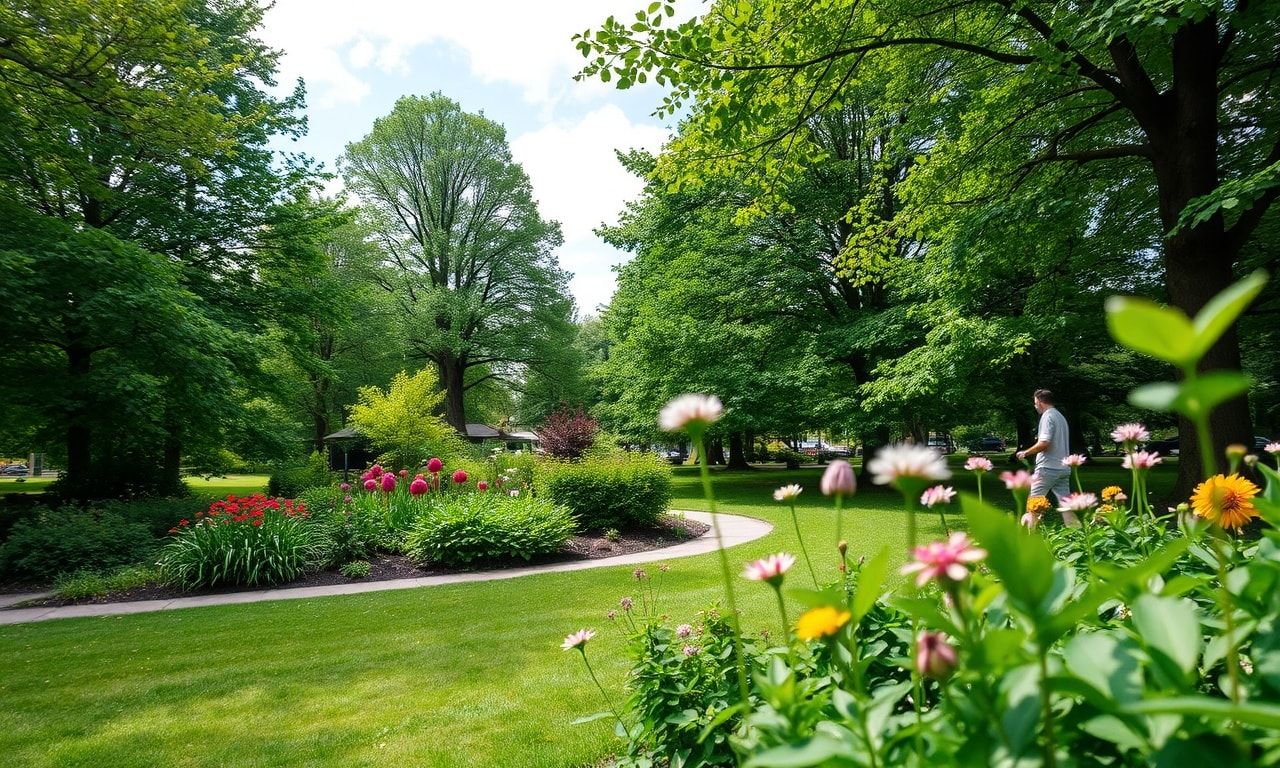
The Importance of Green Spaces in Urban Environments
In the heart of South Yorkshire, Sheffield stands out not just for its industrial heritage but also for its commitment to preserving and expanding green spaces. As urbanization continues to reshape cities worldwide, the importance of green spaces in promoting mental and physical well-being cannot be overstated. Sheffield’s approach to urban planning offers a blueprint for other cities grappling with the challenges of development and environmental conservation.
Sheffield’s Green Infrastructure: A Model for Sustainable Cities
Sheffield boasts over 800 parks, woodlands, and gardens, covering more than 2,000 hectares of the city. This extensive network of green spaces is not just a recreational asset but also a critical component of the city’s infrastructure. The greenery helps mitigate the urban heat island effect, improves air quality, and provides habitats for local wildlife. The city’s green spaces are a testament to the successful integration of nature into urban life, offering residents a respite from the hustle and bustle of city living.
The Role of Public Parks in Community Well-being
Public parks are the lifeblood of Sheffield’s communities. They serve as venues for social gatherings, sports activities, and cultural events, fostering a sense of community and belonging. Parks like the Botanical Gardens and Graves Park are not just places for leisure but also hubs for education and environmental awareness. These spaces host workshops, guided walks, and educational programs that engage residents of all ages in the preservation and appreciation of nature.
Urban Forests: A Lungs for the City
Sheffield’s urban forests are a unique feature that sets it apart from other cities. The city’s woodlands, such as the iconic Birchall and Endcliffe Woods, play a vital role in carbon sequestration and biodiversity conservation. These forests act as the lungs of the city, filtering pollutants and providing a natural cooling effect. The city’s commitment to maintaining and expanding its urban forests is a proactive step towards combating climate change and promoting sustainable urban living.
Challenges and Opportunities in Preserving Green Spaces
Despite the numerous benefits of green spaces, Sheffield faces challenges in preserving and expanding them amidst rapid urban development. The city’s population is growing, and with it, the demand for housing and infrastructure. Balancing development with environmental conservation is a delicate act that requires careful planning and community engagement. Policymakers must prioritize green spaces in urban planning to ensure that the city’s growth does not come at the expense of its natural assets.
One of the key challenges is securing funding for the maintenance and development of green spaces. While the benefits of green spaces are well-documented, securing consistent funding remains a hurdle. Community initiatives and partnerships with local businesses and organizations can help bridge this gap. Additionally, advocating for government policy news update that prioritize green infrastructure can ensure long-term sustainability.
Community Engagement and Advocacy
Community engagement is crucial in preserving and enhancing Sheffield’s green spaces. Local residents, environmental groups, and advocacy organizations play a pivotal role in raising awareness and mobilizing support for green initiatives. Community-led projects, such as tree planting drives and park clean-ups, not only improve the environment but also foster a sense of ownership and pride among residents.
Innovative Solutions for Sustainable Urban Green Spaces
Innovative solutions are essential for maintaining and expanding green spaces in urban environments. Vertical gardens, green roofs, and urban farms are examples of creative approaches that maximize the use of limited space. These initiatives not only enhance the aesthetic appeal of urban areas but also contribute to food security and biodiversity. Sheffield’s embrace of such innovations demonstrates its commitment to sustainable urban development.
Looking Ahead: The Future of Sheffield’s Green Spaces
The future of Sheffield’s green spaces lies in continued investment, community engagement, and innovative solutions. As the city grows, it must remain committed to preserving its natural heritage and expanding its green infrastructure. By doing so, Sheffield can serve as a model for other cities seeking to balance urban development with environmental sustainability.
In conclusion, Sheffield’s green spaces are a vital component of the city’s identity and well-being. They provide numerous benefits, from improving air quality to fostering community engagement. As the city continues to evolve, it must prioritize the preservation and expansion of these green spaces to ensure a sustainable and vibrant future for all its residents.
In the midst of current events, discovering how cultural activities can enrich daily life offers a unique perspective; explore their impact on lifestyle choices in our latest feature.
To stay informed about the latest developments, consider reviewing key economic events of 2023, a comprehensive overview of significant global economic occurrences.