
The Impact of Recent Flooding in Sheffield
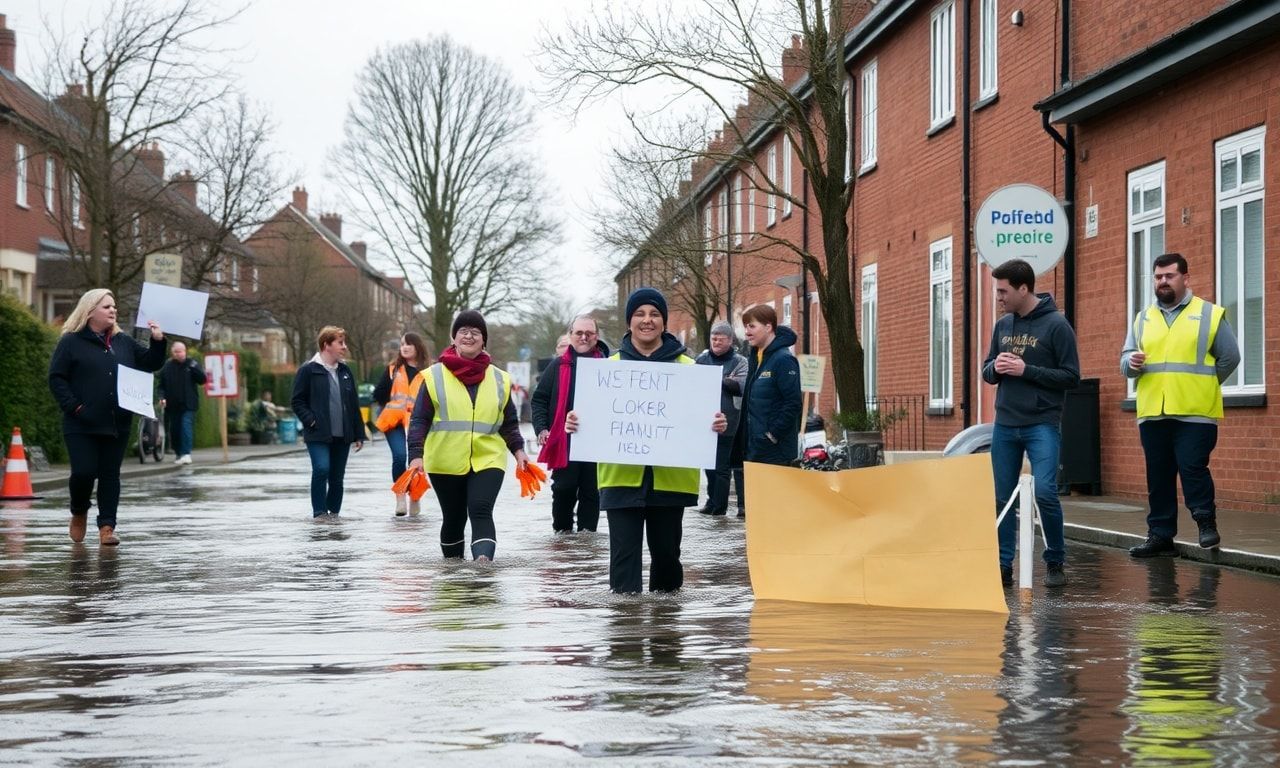
Sheffield has recently experienced some of the worst flooding in decades, with heavy rainfall causing significant disruption across the city. The River Don and its tributaries burst their banks, leading to widespread damage to homes, businesses, and infrastructure. Emergency services have been working around the clock to ensure the safety of residents and to provide assistance where needed.
Community Response and Support
The community has shown remarkable resilience and solidarity in the face of adversity. Local volunteers have been organizing relief efforts, providing food, clothing, and shelter to those affected. Community centers and places of worship have opened their doors to offer support and a place for residents to gather. The outpouring of generosity and support from the public has been heartwarming and a testament to the spirit of Sheffield.
For the latest updates and to stay informed about the ongoing situation, residents can refer to sources such as latest news today headlines and other reliable news outlets. These platforms provide comprehensive coverage and real-time information on the flood’s impact and the relief efforts underway.
Government and Council Initiatives
The local council and government agencies have been actively involved in the response to the flooding. Emergency services, including the fire brigade, police, and ambulance services, have been deployed to affected areas to conduct rescue operations and provide assistance. The council has also set up emergency helplines and support services to help residents navigate the aftermath of the floods.
In addition to immediate relief efforts, the council is working on long-term solutions to mitigate the risk of future flooding. This includes investing in better drainage systems, improving flood defenses, and conducting thorough assessments of the city’s infrastructure to identify vulnerabilities. These measures aim to enhance the city’s resilience against future flooding events.
Environmental Concerns and Climate Change
The recent flooding has sparked discussions about the impact of climate change on extreme weather events. Experts have noted that the frequency and intensity of heavy rainfall events are increasing due to climate change, leading to a higher risk of flooding. This has raised concerns about the need for more robust climate adaptation strategies and sustainable urban planning to protect communities from such events.
Environmental groups and activists are calling for greater investment in green infrastructure, such as wetlands and green roofs, which can help absorb excess rainfall and reduce the risk of flooding. They also emphasize the importance of reducing carbon emissions to mitigate the long-term effects of climate change. These discussions highlight the need for a comprehensive approach to addressing the root causes of flooding and building a more resilient future.
Personal Stories and Resilience
Amid the devastation, there are numerous stories of resilience and hope. Residents have shared their experiences of the flooding, highlighting the challenges they faced and the support they received from their communities. These personal accounts underscore the importance of community solidarity and the power of collective action in times of crisis.
One resident, Sarah Johnson, recounted how her neighborhood came together to help each other during the floods. “We were all in this together,” she said. “Neighbors helped neighbors, and it was incredible to see how everyone pulled together to support each other. It’s in times like these that you realize the true value of community.”
Such stories of resilience and community spirit serve as a reminder of the strength and unity that can emerge in the face of adversity. They also highlight the importance of building strong, supportive communities that can weather the storms, both literally and metaphorically.
Looking Ahead: Recovery and Reconstruction
As the immediate relief efforts continue, the focus is shifting towards recovery and reconstruction. The council and government agencies are working with local communities to develop plans for rebuilding and restoring the affected areas. This includes repairing damaged infrastructure, providing financial assistance to affected residents, and implementing measures to prevent future flooding.
The road to recovery will be long and challenging, but the resilience and determination of the Sheffield community give hope for a brighter future. By working together and leveraging the support of government agencies, environmental groups, and the wider community, Sheffield can emerge stronger and more resilient from this crisis.
For those looking to stay informed about the latest developments and contribute to the relief efforts, resources such as latest news today headlines and local news outlets provide valuable information and updates. These platforms play a crucial role in keeping the community informed and engaged in the recovery process.
In the midst of Frankfurt’s bustling news cycle, finding balance can be challenging; our guide to simple living offers practical tips for a fulfilling life in the city.
In a significant development for the renewable energy sector, scientists in Perth have achieved a notable breakthrough, as detailed in our latest report on renewable energy advancements.
As educational landscapes evolve, a new article explores the shifting dynamics in education system transformations and the initiatives driving change.