
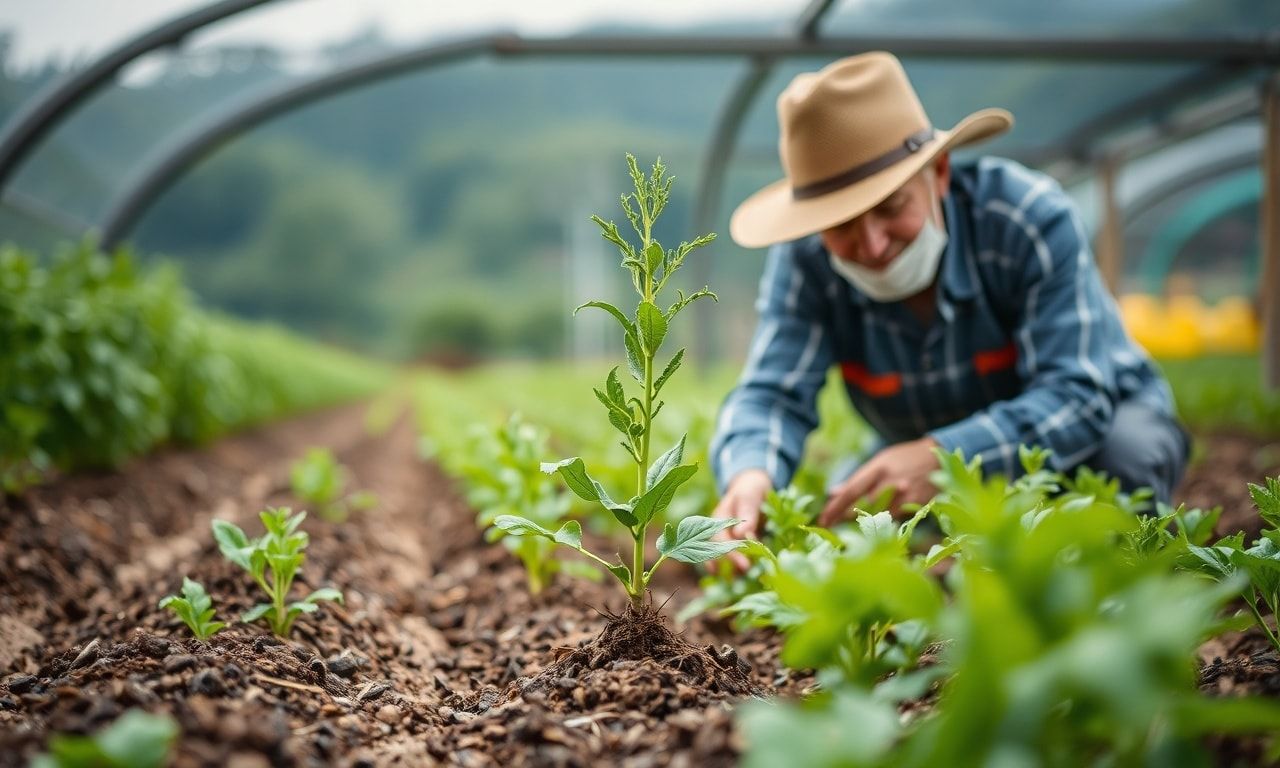
The Rise of Regenerative Agriculture in Sheffield
Sheffield, a city known for its industrial heritage, is witnessing a green revolution as farmers increasingly turn to regenerative agriculture. This sustainable farming approach focuses on rebuilding soil organic matter and restoring degraded soil biodiversity, resulting in both environmental and economic benefits. The shift is driven by a growing awareness of climate change and the need for more resilient food systems.
What is Regenerative Agriculture?
Regenerative agriculture is a holistic land management practice that leverages the power of photosynthesis in plants to close the carbon cycle and build soil health. Unlike conventional farming, which often depletes soil nutrients, regenerative agriculture aims to reverse climate change through soil carbon sequestration. Practices include cover cropping, conservation tillage, crop rotation, and integrated livestock management.
The Benefits of Regenerative Farming
The benefits of regenerative agriculture are manifold. For farmers, it can lead to increased yields, reduced input costs, and greater resilience to climate variability. For the environment, it can improve water retention, reduce erosion, and enhance biodiversity. Moreover, regenerative agriculture has the potential to sequester significant amounts of atmospheric carbon, mitigating the impacts of climate change.
One innovative practice gaining traction is chia seed farming for regenerative agriculture. Chia seeds, known for their high nutritional value, are also highly effective in improving soil health. Their deep roots help to break up compacted soil, increase water infiltration, and add organic matter, making them an excellent choice for regenerative farming systems.
Sheffield Farmers Leading the Way
In Sheffield, several farmers are at the forefront of this agricultural revolution. They are experimenting with diverse cropping systems, integrating livestock, and using natural fertilizers to improve soil health. These farmers are not only contributing to the local economy but also setting an example for sustainable farming practices.
Challenges and Opportunities
Despite the numerous benefits, the transition to regenerative agriculture is not without challenges. Farmers often face initial costs, lack of knowledge, and resistance to change. However, with increasing awareness and support from organizations and governments, these challenges can be overcome. The opportunities are vast, from accessing new markets to contributing to global climate goals.
The Future of Farming in Sheffield
The future of farming in Sheffield looks promising with the adoption of regenerative agriculture. As more farmers embrace these practices, the city can become a model for sustainable food production. This shift is not just about farming; it’s about creating a healthier environment, a more resilient community, and a sustainable future for generations to come.