
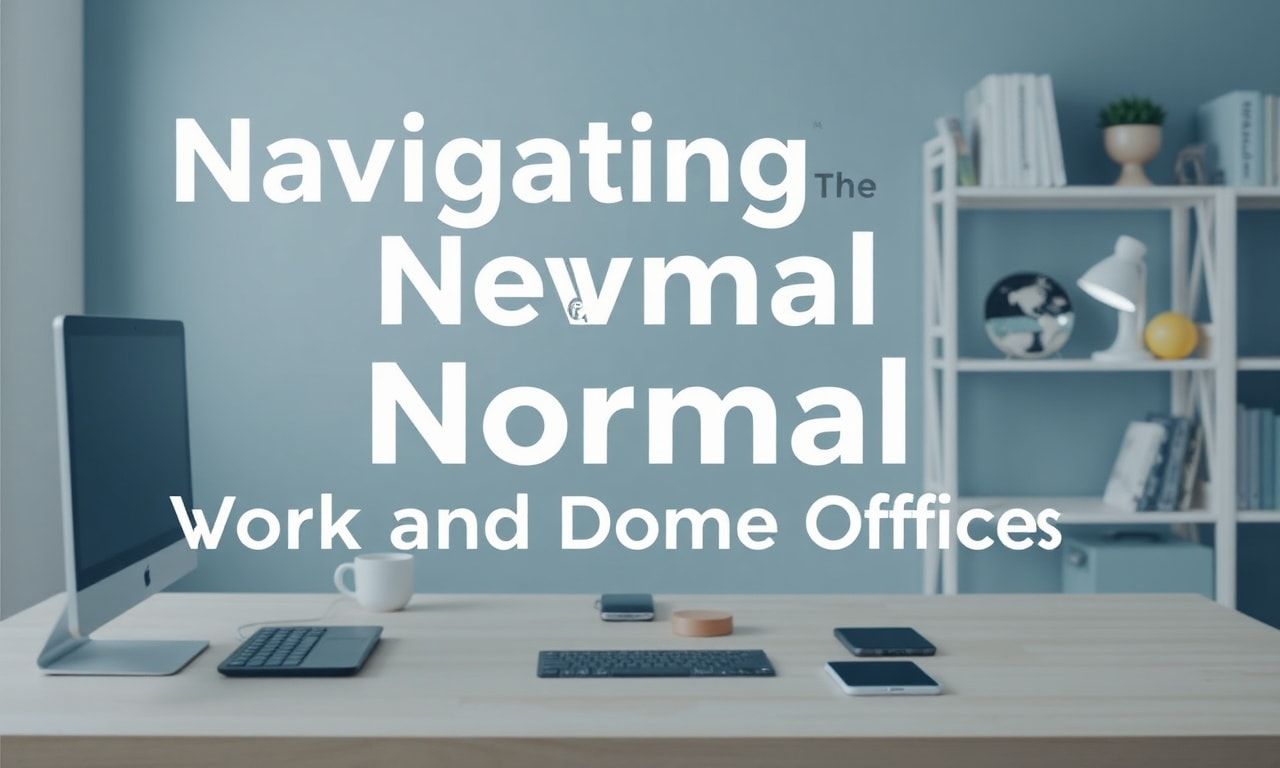
The Shift to Remote Work
The global pandemic has brought about significant changes in the way we work. With social distancing measures in place, many businesses have transitioned to remote work, leading to a surge in the demand for home office setups. This shift is not just a temporary measure but is likely to become a permanent feature of the modern workplace.
The Importance of a Well-Designed Home Office
A well-designed home office can greatly enhance productivity and overall well-being. It is essential to create a space that is comfortable, functional, and conducive to work. This includes investing in the right furniture, equipment, and technology. For those looking to set up a home office on a budget, there are numerous resources available online that offer home office setup ideas budget-friendly solutions.
Ergonomics and Comfort
Ergonomics plays a crucial role in creating an effective home office. An ergonomic chair and desk can help prevent back pain and other health issues associated with prolonged sitting. Additionally, ensuring that your computer screen is at eye level can reduce strain on your neck and eyes. Proper lighting is also essential to prevent eye strain and headaches.
Technology and Connectivity
Reliable internet connectivity is a must for remote work. Investing in a good router and considering a wired connection can help ensure a stable internet connection. Additionally, having the right technology, such as a high-quality webcam and microphone, can greatly enhance the quality of virtual meetings and communications.
The Benefits of Remote Work
Remote work offers numerous benefits, both for employees and employers. For employees, it provides greater flexibility and the ability to achieve a better work-life balance. For employers, it can lead to increased productivity and reduced overhead costs. However, it also presents challenges, such as maintaining communication and collaboration among team members.
Challenges of Remote Work
One of the main challenges of remote work is maintaining a healthy work-life balance. Without the physical separation of the office, it can be difficult to ‘switch off’ from work. Additionally, the lack of face-to-face interaction can lead to feelings of isolation and disconnection from the team. To overcome these challenges, it is important to establish clear boundaries and maintain regular communication with colleagues.
The Future of Remote Work
The future of remote work looks promising, with many companies planning to adopt a hybrid model that combines remote work with in-office work. This model offers the best of both worlds, providing employees with the flexibility of remote work while still allowing for in-person collaboration and team-building activities.
Preparing for the Future
As remote work continues to grow in popularity, it is important for both employees and employers to adapt and prepare for the future. This includes investing in the right technology and equipment, establishing clear communication and collaboration processes, and fostering a culture of trust and flexibility. By doing so, businesses can ensure that they are well-positioned to thrive in the new normal.
As lifestyles continue to evolve, minimalism gains global traction offering a unique perspective on modern living.