
The Rise of Sustainable Gardening
The global gardening community is witnessing a significant shift towards sustainable practices, driven by climate change concerns and a growing appreciation for eco-friendly lifestyles. Among the various trends, Mediterranean gardening has emerged as a popular choice for its water efficiency and low maintenance requirements. This trend is not only transforming private gardens but also influencing public spaces and urban planning.
The Appeal of Mediterranean Gardens
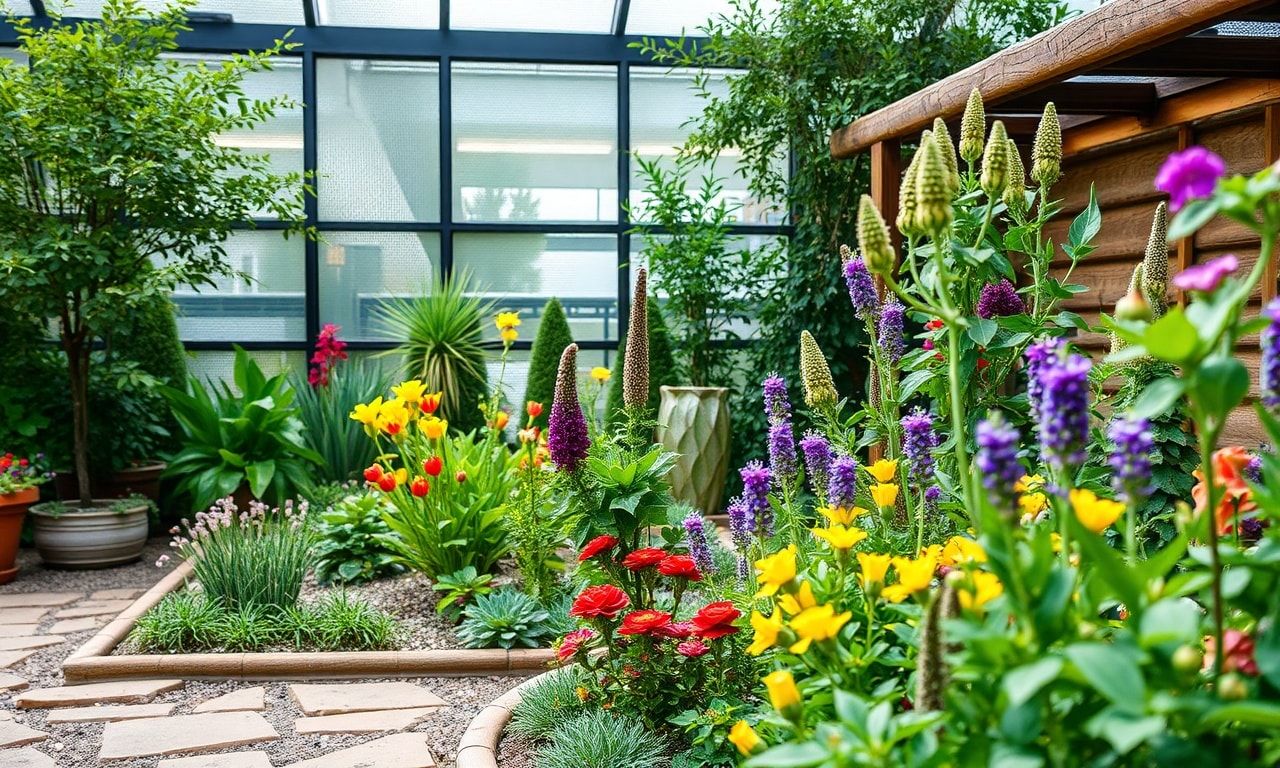
Mediterranean gardens are characterized by their use of drought-resistant plants, gravel pathways, and terracotta pots, creating a picturesque and sustainable landscape. These gardens are particularly suited to regions with hot, dry summers and mild, wet winters. The use of native plants and natural materials not only conserves water but also supports local biodiversity. For those looking to transform their outdoor spaces, exploring idee per un giardino mediterraneo can provide a wealth of inspiration and practical tips.
Key Features of Mediterranean Gardens
Several key features define Mediterranean gardens, making them an attractive option for sustainable gardening:
- Drought-Resistant Plants: Plants such as lavender, rosemary, and olive trees are commonly used due to their ability to thrive in arid conditions.
- Gravel and Stone Pathways: These materials help to reduce water evaporation and maintain soil moisture.
- Terracotta Pots: These pots are not only aesthetically pleasing but also help to regulate soil temperature.
- Water Features: Small fountains and ponds can add a serene ambiance while also providing a habitat for local wildlife.
The Environmental Benefits
The environmental benefits of Mediterranean gardens are manifold. By using native plants, these gardens reduce the need for artificial irrigation, thereby conserving water. The use of natural materials like gravel and stone also minimizes the carbon footprint associated with garden maintenance. Additionally, Mediterranean gardens provide habitats for local wildlife, promoting biodiversity and supporting ecosystem health.
Water Conservation
Water conservation is one of the most significant advantages of Mediterranean gardening. Drought-resistant plants require less water, making them ideal for regions experiencing water scarcity. Techniques such as drip irrigation and rainwater harvesting further enhance water efficiency. These practices not only help to conserve a precious resource but also reduce utility costs for homeowners.
Global Influence and Adoption
The popularity of Mediterranean gardens is not confined to the Mediterranean region. Gardeners worldwide are embracing this style, adapting it to suit local climates and conditions. In the UK, for example, the trend has gained traction as homeowners seek to create low-maintenance, eco-friendly outdoor spaces. The influence of Mediterranean gardening can also be seen in public parks and urban landscapes, where sustainable design principles are being increasingly adopted.
Case Studies and Success Stories
Several success stories highlight the global impact of Mediterranean gardening. In Australia, the use of native plants and water-efficient irrigation systems has transformed urban landscapes, creating vibrant and sustainable green spaces. Similarly, in the United States, Mediterranean-style gardens have become a popular choice for homeowners looking to reduce their environmental footprint. These case studies demonstrate the versatility and adaptability of Mediterranean gardening principles.
Challenges and Considerations
While the benefits of Mediterranean gardening are clear, there are also challenges and considerations to keep in mind. Climate suitability, soil conditions, and local regulations can all impact the success of a Mediterranean garden. It is essential to research and plan carefully, ensuring that the chosen plants and materials are appropriate for the local environment. Consulting with a professional landscaper or gardening expert can provide valuable insights and guidance.
Adapting to Local Conditions
Adapting Mediterranean gardening principles to local conditions is crucial for long-term success. In regions with colder climates, for example, it may be necessary to use hardy plants and provide additional protection during winter months. Similarly, in areas with heavy rainfall, proper drainage and soil management are essential to prevent waterlogging and root rot. By tailoring the garden design to suit local conditions, homeowners can create a thriving and sustainable outdoor space.
Conclusion
The global trend towards sustainable gardening, particularly the adoption of Mediterranean landscapes, reflects a growing awareness of environmental issues and a desire for eco-friendly lifestyles. The benefits of Mediterranean gardens, including water conservation, low maintenance, and support for biodiversity, make them an attractive option for gardeners worldwide. By embracing this trend and adapting it to local conditions, homeowners can create beautiful, sustainable outdoor spaces that contribute to a healthier planet.