
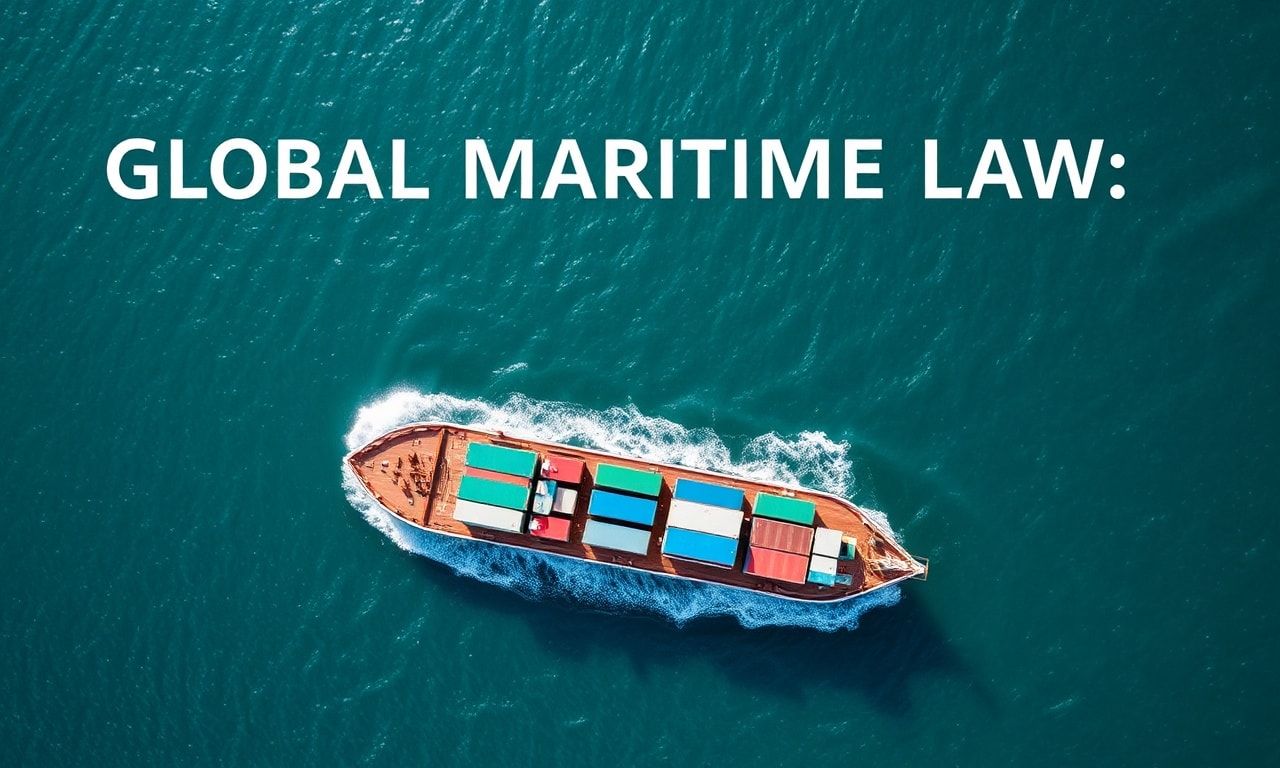
Introduction to Maritime Law
Maritime law, also known as admiralty law, is a distinct body of law that governs maritime questions and offenses. It is a complex and multifaceted field that encompasses a wide range of issues, from shipping and navigation to marine commerce and environmental protection. As global trade continues to expand, the importance of maritime law in facilitating international commerce and ensuring the safety of the seas cannot be overstated.
The Scope of Maritime Law
Maritime law covers a broad spectrum of activities and issues. This includes the regulation of maritime commerce, the safety of ships and their crews, the prevention of marine pollution, and the resolution of disputes arising from maritime activities. It also addresses the legal aspects of maritime insurance, maritime labor, and the exploitation of marine resources. The scope of maritime law is not limited to the high seas; it also extends to inland waterways and coastal areas.
Key Areas of Maritime Law
Some of the key areas within maritime law include:
- Shipping and Navigation: This includes the regulation of shipbuilding, ship registration, and the rules governing the operation of vessels.
- Maritime Commerce: This involves the legal aspects of international trade, including the carriage of goods by sea and the associated contracts.
- Marine Environmental Protection: This area focuses on preventing pollution from ships and protecting marine ecosystems.
- Maritime Labor Law: This includes the rights and obligations of seafarers, as well as the conditions of their employment.
- Maritime Insurance: This covers the various types of insurance related to maritime activities, such as hull insurance and cargo insurance.
Recent Developments in Maritime Law
Maritime law is constantly evolving to address new challenges and emerging issues. Recent developments include the increasing focus on environmental protection, the regulation of autonomous ships, and the impact of climate change on maritime activities. Additionally, the rise of digitalization and the use of blockchain technology in maritime trade are also shaping the future of maritime law.
For the latest noticias de derecho marítimo en España hoy, it is essential to stay informed about the ongoing changes and developments in this dynamic field. Understanding the legal framework and its implications is crucial for all stakeholders involved in maritime activities.
The Impact of Technology on Maritime Law
The advent of new technologies is transforming the maritime industry and, consequently, maritime law. The use of autonomous ships, for instance, raises important legal questions about liability and safety. Similarly, the application of blockchain technology in maritime trade is revolutionizing the way contracts and transactions are conducted, necessitating updates to the legal framework to ensure security and transparency.
Challenges in Maritime Law
Despite its importance, maritime law faces several challenges. One of the primary challenges is the need for international cooperation and harmonization of laws. Maritime activities often involve multiple jurisdictions, making it essential to have consistent and coordinated legal frameworks. Additionally, the enforcement of maritime laws can be difficult, particularly in cases of piracy and illegal fishing, which require international collaboration and robust legal mechanisms.
Environmental Protection and Sustainable Practices
Environmental protection is a critical aspect of maritime law. The International Maritime Organization (IMO) has established regulations to prevent pollution from ships and promote sustainable practices. These regulations cover various aspects, including the discharge of waste, the use of ballast water, and the reduction of greenhouse gas emissions. Ensuring compliance with these regulations is essential for protecting marine ecosystems and promoting sustainable maritime activities.
Conclusion
Maritime law plays a vital role in regulating maritime activities and ensuring the safety and efficiency of global trade. As the maritime industry continues to evolve, so too must the legal framework that governs it. Staying informed about the latest developments and challenges in maritime law is essential for all stakeholders, from shipowners and seafarers to environmental advocates and legal professionals. By understanding and addressing these issues, we can navigate the complexities of international waters and promote a sustainable and prosperous maritime future.
As digital markets continue to evolve, understanding the latest trends and strategies is crucial for advertisers; our latest article, exploring Turkey’s digital marketing landscape, offers an in-depth look at the current state of the industry.
In today’s complex business landscape, understanding the legal aspects of marketing can provide a competitive edge. Discover how brands can harness legal expertise for growth in our latest feature, law and marketing strategies.
In the realm of current agricultural advancements, our latest feature, innovations reshaping global farming, offers an in-depth look at the latest developments transforming the industry.