
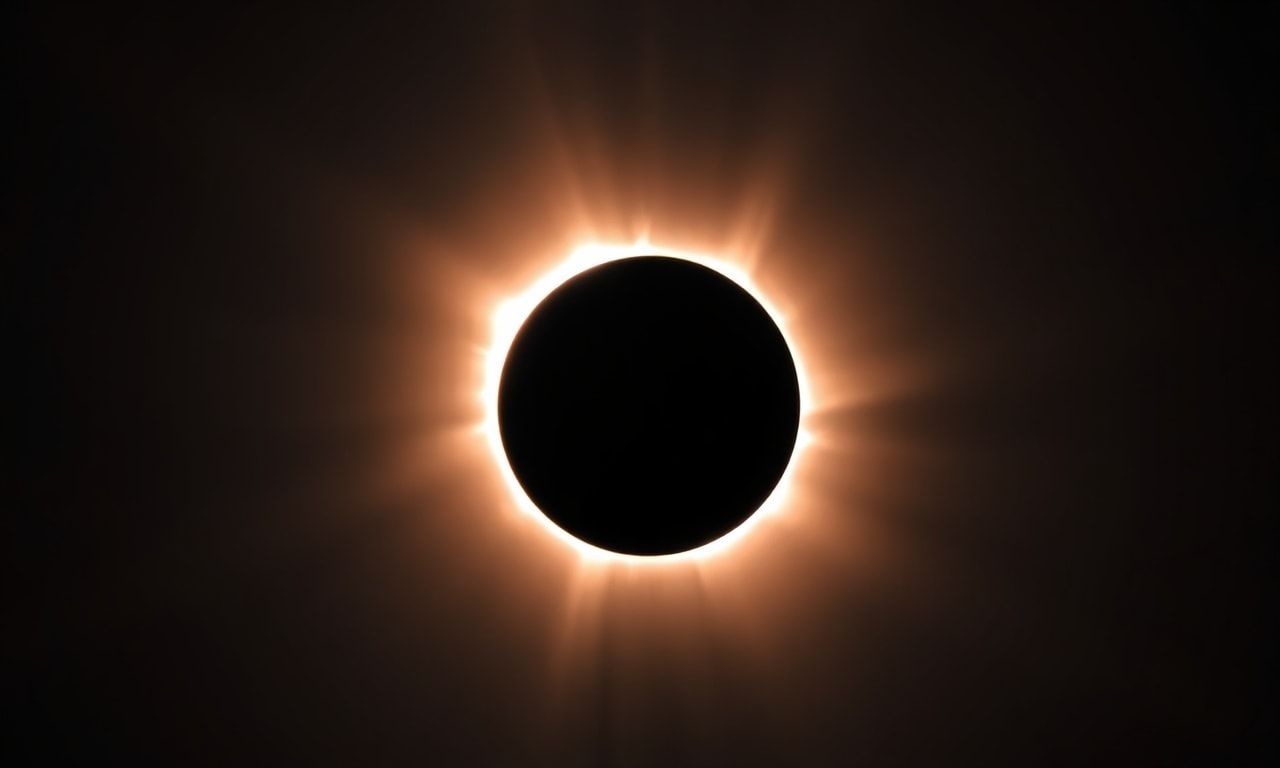
The Great American Eclipse of 2024
The world witnessed a breathtaking celestial event on April 8, 2024, as a total solar eclipse swept across North America. This rare phenomenon, often referred to as the “Great American Eclipse,” captivated millions of spectators who gathered to witness the moon’s shadow traverse the continent. The eclipse began its journey over Mexico’s Pacific coast and made its way through the United States and Canada, offering a unique spectacle for both scientists and enthusiasts alike.
Scientific Significance and Research Opportunities
Total solar eclipses provide invaluable opportunities for scientific research. Astronomers and researchers seized this moment to study the sun’s corona, solar flares, and other solar phenomena that are typically obscured by the sun’s bright light. The eclipse also allowed for the testing of new technologies and the collection of data that could enhance our understanding of solar dynamics. NASA and other space agencies collaborated on various projects, utilizing the eclipse to gather critical information that could advance space weather forecasting and solar science.
Public Engagement and Safety Measures
In preparation for the eclipse, public engagement initiatives were launched to educate the public about the event and ensure safe viewing practices. Organizations like NASA and the American Astronomical Society distributed safety guidelines, emphasizing the importance of using certified eclipse glasses to protect eyesight. Community events, educational programs, and live broadcasts were organized to foster a sense of shared experience and excitement. The entertainment news update celebrity also highlighted the involvement of celebrities and influencers who participated in eclipse-related activities, further amplifying public interest.
Cultural and Historical Context
Solar eclipses have long held cultural and historical significance. Throughout history, eclipses have been interpreted as omens, symbols of divine intervention, or harbingers of change. Ancient civilizations developed sophisticated methods to predict and understand these events, often incorporating them into their mythologies and calendars. The 2024 eclipse reignited interest in these historical perspectives, prompting discussions about the cultural impact of celestial events. Museums, libraries, and cultural institutions curated exhibitions and lectures to explore the intersection of astronomy and cultural heritage.
Economic Impact and Tourism
The eclipse also had a significant economic impact, particularly in the tourism sector. Cities and towns along the path of totality experienced a surge in visitors, leading to increased bookings in hotels, restaurants, and local businesses. Tourism boards and local governments capitalized on the event by organizing festivals, viewing parties, and other attractions. The influx of visitors not only boosted local economies but also fostered a sense of community and pride. For many regions, the eclipse presented an opportunity to showcase their unique attractions and cultural offerings to a global audience.
Looking Ahead: Future Eclipses and Continued Exploration
While the 2024 eclipse has passed, the fascination with solar eclipses continues. Future eclipses, such as the annular solar eclipse in October 2024 and the total solar eclipse in August 2026, are already on the radar for astronomers and enthusiasts. These events will provide further opportunities for scientific discovery and public engagement. As technology advances, our ability to study and understand these celestial phenomena will continue to grow, offering new insights into the mysteries of our solar system.
As discussions around health and wellness continue to gain traction, a new article explores the link between exercise and mental health.
As we navigate through the changing seasons, understanding how weather influences our mental health is more crucial than ever. Explore the latest findings in weather’s effect on well-being and its implications for public health.
Witness the extraordinary celestial event that recently unfolded in the capital with our report on the London solar eclipse phenomenon, blending public fascination and scientific advancement.