
A Practical Guide to Getting Around Sheffield by Bus and Tram
Compare Sheffield buses, trams and trains, plan local journeys and check current fares with practical advice for residents, students and visitors.

How much public transport costs in Sheffield depends on your route, ticket type and travel needs, so check current fares before setting off rather than relying on an old figure. Buses and Supertram cover many city journeys, while local trains can suit trips between some districts. Compare the available options, check whether a ticket covers your whole journey and allow time for connections.
For a straightforward trip, use a journey planner to compare routes and departure times, then confirm the operator’s current ticket rules. If you travel regularly, check whether a pass or multi-journey option suits your routine better than buying single tickets each time.
This guide explains how Sheffield’s transport options fit together, what to consider when choosing a bus, tram or train, and how to check fares before travelling. It also covers practical details such as connections, accessibility and planning for changes to services.
- Compare buses, the Supertram and trains against your full route, including walking and transfers.
- Use a journey planner for timings, then confirm stops and live service updates before leaving.
- Check current operator fares and ticket conditions rather than relying on old prices.
- For regular travel, compare available passes with the services and routes you actually use.
How Sheffield’s public transport fits together
The city’s main services
Sheffield’s local transport network combines buses, the Supertram and trains, but each service has its own routes and ticket rules. Buses reach many neighbourhoods and destinations that are not beside a tram stop, while the tram provides a clear route across parts of the city. Trains are most relevant for journeys between Sheffield and other rail-served places.
For a trip within the centre, walking between nearby destinations may be simpler than changing vehicles. If you are travelling from a district farther out, a bus or tram may take you close to your destination, with a short walk at either end. Check the full route rather than assuming one mode covers every leg.
International students comparing arrival costs with their home currency may find canlı döviz kurları useful when estimating a transport budget. Keep that estimate separate from the actual fare, which depends on your chosen journey, ticket and current operator rules. Before travelling, confirm the fare in pounds through the relevant transport provider.
Operators and ticket boundaries
A journey that uses more than one vehicle can involve different operators, so do not assume that a ticket accepted on one service will cover another. Check the ticket conditions for each leg, including where it is valid and whether it allows transfers. This matters especially when combining a bus with a tram or train.
Look at the provider’s current information before buying, since fare products and service arrangements can change. A ticket may be limited to a particular operator, route or period of validity, while another product may cover a wider area. Read the conditions before boarding rather than relying on what worked on a previous trip.
If you are new to Sheffield, first identify the stop or station closest to your destination and then check which services call there. A route map can show the broad shape of the network, but live journey information is better for departure times and disruptions. Keep a backup route in mind if your first service is delayed.
- Check which operator runs each leg.
- Confirm where your ticket is valid.
- Allow time for any transfer.
- Check live service updates before leaving.
Plan a journey around the city

Start with your destination
Plan from the place you need to reach, not just the service you already know. Enter your starting point and destination into a journey planner, then compare departure times, walking distances and any changes between vehicles. For students, visitors and residents, this helps reveal whether a direct bus or a tram-and-walk combination is more convenient.
- ☐ Enter the exact start and destination.
- ☐ Compare direct and connecting routes.
- ☐ Check times for your travel period.
- ☐ Allow extra time for walking and changes.
If you are working out a personal travel budget before arriving, a döviz kurları çevirici can help compare amounts in different currencies. Use that only to understand the value of your planned spending; it does not show Sheffield fares or replace the operator’s current ticket information. Check local fare details separately before you travel.
Check the journey at the time you expect to travel, since service frequency and connections can vary across the day. A route that works during a busy period may not offer the same options later. If arriving for an appointment, match the planner’s suggested departure with enough time for walking, finding the stop and possible delays.
Check stops and connections
Confirm the exact stop or station for each leg, because nearby services may leave from different sides of a road or from separate platforms. Check the name shown in the journey planner and compare it with local signs when you arrive. This simple check can prevent a missed connection caused by waiting in the wrong place.
For a transfer, note how far you need to walk and whether you must cross a road or enter a station. If you have luggage, mobility needs or a tight connection, choose an option with more time between services. A slightly longer journey can be more dependable than a hurried change.
Recheck travel information before leaving, especially when your route depends on a connection or a particular departure. Service changes, disruption and temporary stop arrangements can affect the best route. Save the destination and any important interchange details on your phone, or write them down if you may not have reliable data.
- Match stop names to the planner.
- Check the walking route between services.
- Build in time for a transfer.
- Recheck the route before departure.
Choose between buses, trams and trains
Match the mode to the trip
Choose a bus when its route gets close to your destination or serves a neighbourhood away from the tram. The Supertram can suit journeys along its routes, particularly when a stop is near both ends of your trip. A local train is more useful where rail stations match your journey, rather than as a default for getting around the centre.
- Buses reach many neighbourhoods beyond the tram route.
- The Supertram suits destinations near its stops.
- Trains work best where rail stations fit both ends of the trip.
For a trip between the city centre and a tram-served destination, compare the tram’s stops with the walking distance to your final address. For places beyond the tram network, a bus may be more direct, or a change may be needed. Journey planners help compare total travel time, not just the time spent on board.
Think about the whole journey, including waiting, transfers and the walk after you get off. A train may be quick between stations but inconvenient if your destination is far from one; a bus may take longer but stop closer. Check accessibility information and service updates too, especially if you need step-free access or extra time.
| Option | Best suited to | Check before travelling |
|---|---|---|
| Bus | Neighbourhoods beyond tram stops | Route, operator and ticket validity |
| Supertram | Journeys near tram stops | Stop locations and current service |
| Train | Journeys between rail-served places | Station access and onward connection |
Compare comfort and convenience
A direct service can be easier than a faster-looking journey that requires a transfer, particularly with bags or children. Compare how often the services run at your chosen time and how much walking each option involves. For a regular commute, reliability and a convenient stop may matter more than the shortest scheduled journey.
Buses can offer access to more local streets, while tram stops and railway stations are fixed points that may require a walk. Consider where you will board and get off, not only the route shown on a map. If you are unfamiliar with the area, choose a route with clear stops and straightforward changes.
There is no single best mode for every Sheffield journey, so compare options against your actual needs. A visitor heading to a central destination may prefer a simple route and an easy landmark; a resident travelling across town may prioritise a direct service. Check current departures and ticket validity before choosing between alternatives.
- Compare total time, including waiting.
- Consider walking distance at both ends.
- Prefer fewer changes when carrying luggage.
- Check accessibility and live service information.
Check the fare with the operator or official ticket information before travelling, because costs and ticket conditions can change.
Paying for journeys and checking fares
Verify the current fare
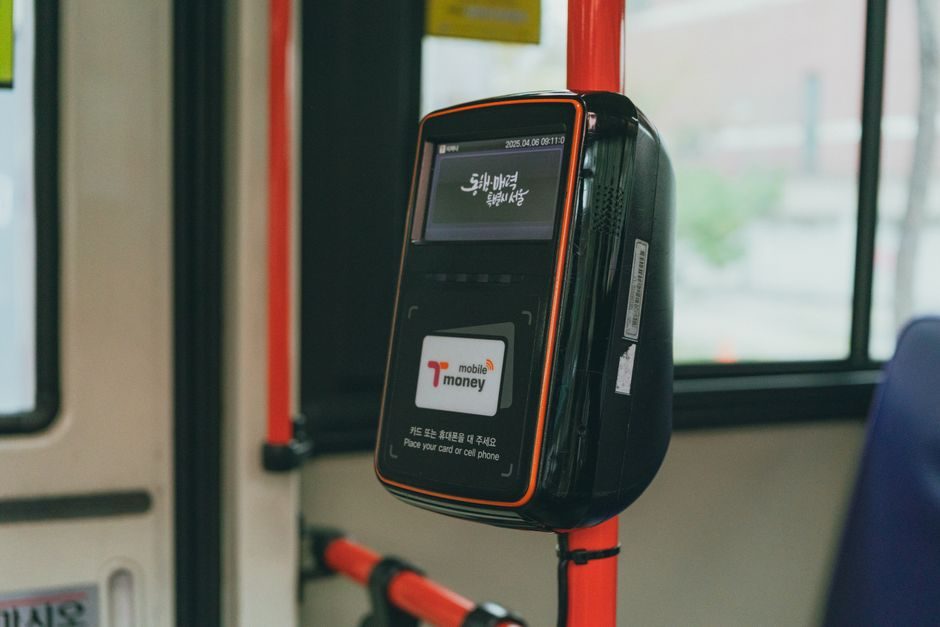
Check the fare with the operator or official ticket information before travelling, because costs and ticket conditions can change. Look for the fare that matches your route, age or concession status, and intended time of travel. A general estimate cannot tell you whether a particular ticket covers every leg of a multi-service journey.
Compare single journeys with any available return, day or multi-journey products, but read the conditions before deciding. The cheapest-looking option may not suit you if it is limited to one operator or does not cover a transfer. For occasional travel, paying for the journey you need may be simpler than buying a pass you will not use.
If you expect to travel regularly, list the journeys you make in a typical week and check which ticket products cover them. Confirm whether a pass is valid on the services and routes you actually use. Keep the provider’s fare information accessible so you can check again if your routine or the published fares change.
Pay attention to ticket rules
Before paying, check when the ticket becomes valid, when it expires and which services accept it. Some products may have limits by operator, route or time, so read the conditions rather than assuming that all local transport shares one ticket. If your journey includes a change, confirm coverage for both services.
Follow the operator’s instructions for buying and using a ticket, whether you pay before boarding or use an approved method on the vehicle. Keep any ticket or payment confirmation available during the journey in case you need to show it. If a fare or rule is unclear, check with the provider before setting off.
Concessionary travel may have its own eligibility and usage conditions, so verify the current rules with the relevant authority or operator. Do not assume that a concession applies to every service or time of day. Checking in advance can prevent an unexpected charge or a problem when boarding.
- Read the ticket’s route and operator limits.
- Check its validity period.
- Confirm rules for transfers and concessions.
- Keep proof of payment available.
Common public transport planning pitfalls
Check the Whole Journey
A route that looks direct on a map may involve a long walk, a change or a service that runs less often at your chosen time. Check the full journey from your starting point to the entrance you need, especially around hospitals, university buildings and large venues. A nearby stop is not always the most convenient one.
- Enter the exact starting point and destination.
- Choose a departure or arrival time that suits your plans.
- Check every service and walking connection in the route.
- Recheck for disruption shortly before setting off.
Compare the suggested route with the actual departure time, rather than assuming the same service runs all day. Evening, weekend and holiday timetables can differ from weekday patterns, and disruptions may change which stops are served. Use current operator or travel-planning information before leaving, then check again if your plans are flexible.
For a trip with several stages, note where each change happens and how much walking it involves. Sheffield’s hills can make a short distance on a map feel more demanding on foot, particularly with luggage or in wet weather. If mobility or step-free access matters, check the route details rather than relying on the map alone.
- Check the destination stop, not just the route name.
- Confirm the service runs at your planned time.
- Allow for walking between stops and entrances.
Avoid Familiar Route Assumptions
A route you use regularly can change when roadworks, events or operational disruption affect services. Familiarity helps, but it is not a substitute for checking the day’s travel information. Before a time-sensitive trip, confirm that your usual bus or tram is running and that its normal stops remain in use.
Do not assume that a tram stop, bus stop and railway station with similar place names are beside one another. Check the map for the precise interchange and allow time to walk between platforms or street stops. This matters around busy central areas, where a short transfer can take longer than expected.
If your first choice is disrupted, look for a complete alternative rather than boarding the first service heading in the right direction. Check where it terminates, whether it serves your destination and how you will finish the journey. A quick comparison can prevent an extra change or an unplanned walk.
Make connections and leave time for changes

Build a Reliable Transfer
Choose a connection with enough time to get off one service, find the next stop or platform and board without rushing. The right allowance depends on the interchange, walking distance, crowding and your mobility, so avoid treating a very short transfer as guaranteed. For an appointment, plan to arrive early rather than aiming for the final possible service.
Check whether your connecting service leaves from the same stop, a nearby street stop or a separate station entrance. A route planner may show a change as one step, but the physical transfer can include stairs, crossings or a walk through a busy area. Inspect the map and station information before travelling if the location is unfamiliar.
When you have a choice, prefer a connection with a straightforward route and another service available if you miss it. That can be more dependable than a tightly timed transfer, even when the journey takes slightly longer. Keep the next departure information available so you can adjust quickly if the first leg is delayed.
- Check the exact transfer point on a map.
- Allow time for walking, crossings and boarding.
- Choose a backup service for important appointments.
Handle Delays and Missed Services
If a service is delayed, check the operator’s latest updates before changing your plan. A delay estimate can shift, so compare waiting with a current alternative route instead of making a decision from an old timetable. If you are already at an interchange, use its signs and staff information to confirm where replacement services depart.
If you miss a connection, first establish whether the next service accepts your ticket or whether the journey needs a different fare or ticket. Rules can vary by service and ticket type, so check the conditions rather than assuming a transfer is covered. This is especially useful when a route combines separate operators or modes.
Tell anyone expecting you that your arrival may change, then choose the safest practical option. Avoid running across roads or boarding an unfamiliar service without checking its destination. For visitors planning their first trips, bugün dolar kaç TL can be one small part of broader arrival budgeting, alongside setting aside money for local journeys.
Budget for transport before moving to Sheffield
Estimate Your Regular Travel
Work out how often you expect to travel and which places you will visit before choosing how to pay. A student travelling between accommodation, campus and a part-time job has different needs from someone making occasional trips into the city centre. Compare the current ticket options against your likely routine, not an imagined busiest week.
- List the places you will travel to most often.
- Estimate how often each journey will happen.
- Check current ticket options and their conditions.
- Review the estimate once your routine is established.
Include journeys that are easy to overlook, such as evening travel, weekend visits and trips to appointments or shops. If you live farther from a tram route, you may rely more on buses or need to combine modes. Check the latest ticket rules and coverage before deciding whether a pass or individual fares better matches your pattern.
Keep your estimate flexible until you know your actual timetable and neighbourhood. The route you expect to use can change after classes begin, work shifts are confirmed or you discover a more convenient stop. Start with a realistic travel allowance, then review it after your first weeks rather than committing to an option that does not fit.
- List regular destinations and likely travel days.
- Include evening and weekend journeys.
- Compare ticket rules with your actual routine.
Prepare for Arrival Costs
Set aside a separate amount for getting around during your first days, when you may make extra trips to view accommodation, collect essentials or find your campus. Plan from your arrival point to your temporary accommodation and onward destinations, checking current services and ticket information before you travel. This prevents transport costs from being lost among other moving expenses.
If you are arriving from abroad, keep your first local journeys in mind when organising your overall travel budget; exchange-rate checks can help you understand money set aside in another currency. Do not base a Sheffield travel plan on a converted figure alone, because local fares and ticket conditions need checking separately.
After you arrive, record what you actually spend and how often you travel. That gives you a clearer basis for deciding whether a different ticket type could suit your routine. Keep some flexibility for unexpected trips, but avoid buying a longer-term option until you understand its coverage, validity and any restrictions.
Simple habits for smoother journeys
Get Ready Before Boarding
Have your ticket or payment method ready before you reach the boarding point, and check the operator’s current instructions for using it. Payment processes can differ between services, so do not assume that a method accepted on one bus or tram works everywhere. Preparing in advance helps you board calmly and avoids holding up other passengers.
Check the destination shown on the vehicle before boarding, particularly at busy stops where several routes arrive close together. If you are unsure, ask the driver or consult the route information rather than relying on a familiar number alone. Keep bags close and leave clear space for other passengers to board and alight.
For an unfamiliar journey, save the route details or note the interchange before leaving, while keeping a way to check live updates if plans change. Make sure your phone has enough charge for essential travel information, or write down key stops as a backup. These small preparations are useful when signals are weak or the journey is busier than expected.
- Check payment instructions for the service you are using.
- Confirm the vehicle destination before boarding.
- Keep route details available and your boarding area clear.
Travel Considerately and Safely
Stand back from the kerb while waiting, and let passengers leave before you board. On a crowded service, move along where possible and keep doorways clear so people can get on and off safely. These simple habits make boarding smoother, especially when several routes arrive together or passengers are carrying luggage.
Use priority spaces and seating with consideration, and offer space when someone needs it more. Keep bags off seats when the service is busy, and use headphones at a volume that does not disturb others. If you need help finding a stop or changing services, ask a member of staff where available rather than stepping into a vehicle’s path.
At night or in unfamiliar areas, check your stop in advance so you are ready to leave at the right place. If you are unsure where to get off, ask the driver early in the journey. Stay aware of your belongings and surroundings, and follow posted instructions during disruption or at busy interchanges.
Frequently asked questions
How can I check whether a Sheffield bus or tram is running today?Check current travel information from the service operator or a journey planner shortly before you leave, especially during disruption or outside weekday daytime hours. Compare the planned departure with any live updates, and confirm that the stops you need are being served. If a journey is time-sensitive, identify a practical alternative before setting off.
Is it possible to use one ticket for a bus and a tram?That depends on the ticket, the services involved and the current conditions. Do not assume a ticket bought for one mode automatically covers another, even if a planner shows them as parts of one journey. Check the ticket’s validity and operator information before travelling, and confirm whether transfers or particular routes are included.
What should I check before travelling with luggage or mobility needs?Look at the route’s walking distances, interchange layout and access information, rather than relying only on journey time. Check whether the stops and platforms you need offer suitable access, and allow extra time for boarding and transfers. If a detail is unclear, contact the relevant operator or ask staff at the interchange before travelling.
How do I choose between individual fares and a travel pass?Start by listing how often you expect to travel, where you will go and whether your journeys include evenings or weekends. Then compare that routine with current ticket coverage, prices and restrictions. A pass may not suit occasional travel, while frequent journeys can make a different option worth checking; review your choice once your routine is established.
Make Your Sheffield Journey Easier
Reliable travel in Sheffield starts with checking the whole route: the service, the exact stop, the transfer and the time it takes to walk between them. Ticket conditions and timetables can vary, so use current information rather than relying on memory or a map alone. For regular travel, match your ticket choice to the journeys you actually make, including evenings and weekends.
Before your next trip, check the departure and arrival points, confirm the service is running and allow time for any change. If you are new to the city, plan your first few journeys before leaving and keep a backup route in mind. Once you know your routine, review your travel spending and adjust your choices to fit it.

Add Sheffield Sun as a preferred source on Google


